

Markets initially appeared to absorb Wednesday’s rate increase without difficulty, but that calm quickly disappeared.
Following the Federal Reserve’s first interest rate hike in three years, stocks traded mostly higher and major bond yields edged lower as traders welcomed the central bank’s determination to do whatever is necessary to bring prices under control.
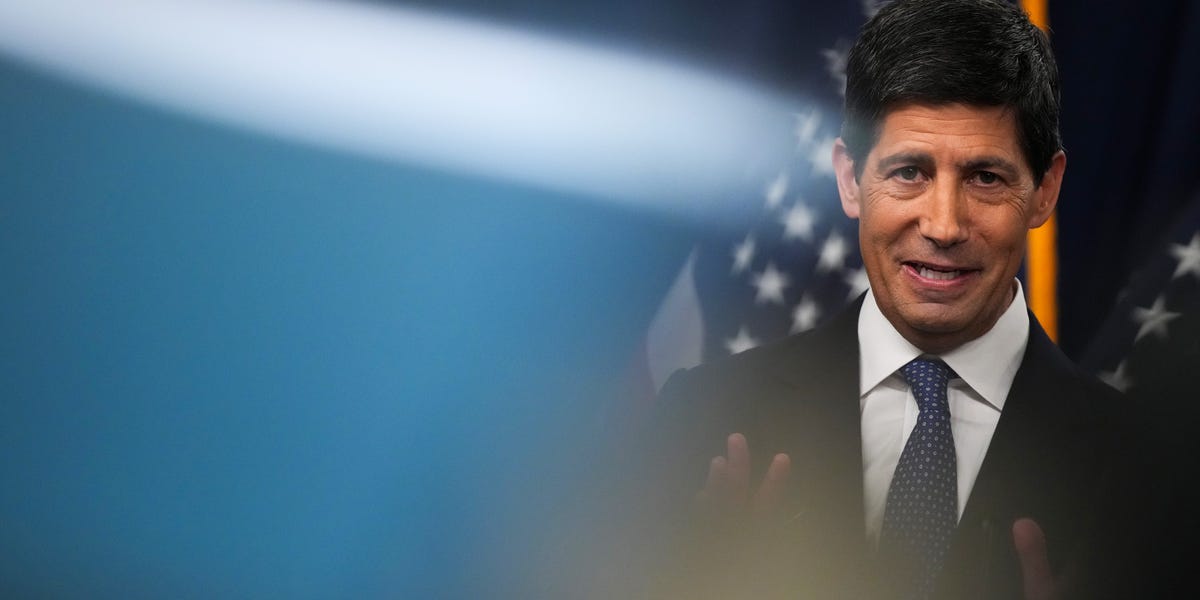
The mood shifted when Kevin Warsh spoke, indicating that policymakers still regard inflation as a significant threat that could require further increases to defeat.
Shares fell sharply and bond yields climbed as the Fed chair concluded his press conference, with the declines intensifying near the end of the trading session.
Here is where the major indexes stood at the 4 p.m. ET closing bell:
– S&P 500: 7,552.34, down 0.44%
– Dow Jones Industrial Average: 51,462.55, down 1.19 (-630.56 points)
– Nasdaq 100: 28,945.06, up 0.02%
The 10-year Treasury yield finished the day above 5% after falling below that level immediately following the rate decision. The yield on the Fed-sensitive 2-year bond jumped 6 basis points to 4.72%.
The Fed’s revised Summary of Economic Projections indicates that policymakers expect one additional rate increase before the end of the year.
Some investors anticipate even more hikes than those reflected in the central bank’s projections, according to Brian Therien, a senior investment strategy analyst at Edward Jones. The CME FedWatch tool showed that the probability of the Fed raising rates by 50 basis points by year-end increased to 38%, compared with 10% priced in the previous week.
“The dot plot sends a clear message: interest rates could rise further and stay elevated longer than investors had previously anticipated,” Brian Rehling, co-head of global fixed income and digital asset strategy at Wells Fargo Investment Institute, wrote in a Wednesday note.
Warsh, who has opposed using forward guidance for monetary policy, said policymakers concluded that interest rates must be more restrictive for the Fed to achieve its 2% inflation target. He added that recent bond market volatility did not influence the decision.
“Warsh’s press conference closely matched the hawkish message of his Jackson Hole comments,” Jeff Schulze, head investment strategist at Franklin Templeton Institute, wrote in a note. “The aggressive tone of the press conference pushed fed funds futures and long-term bond yields higher while sending US stocks lower, with the resulting rate increases putting pressure on equity valuations.”