

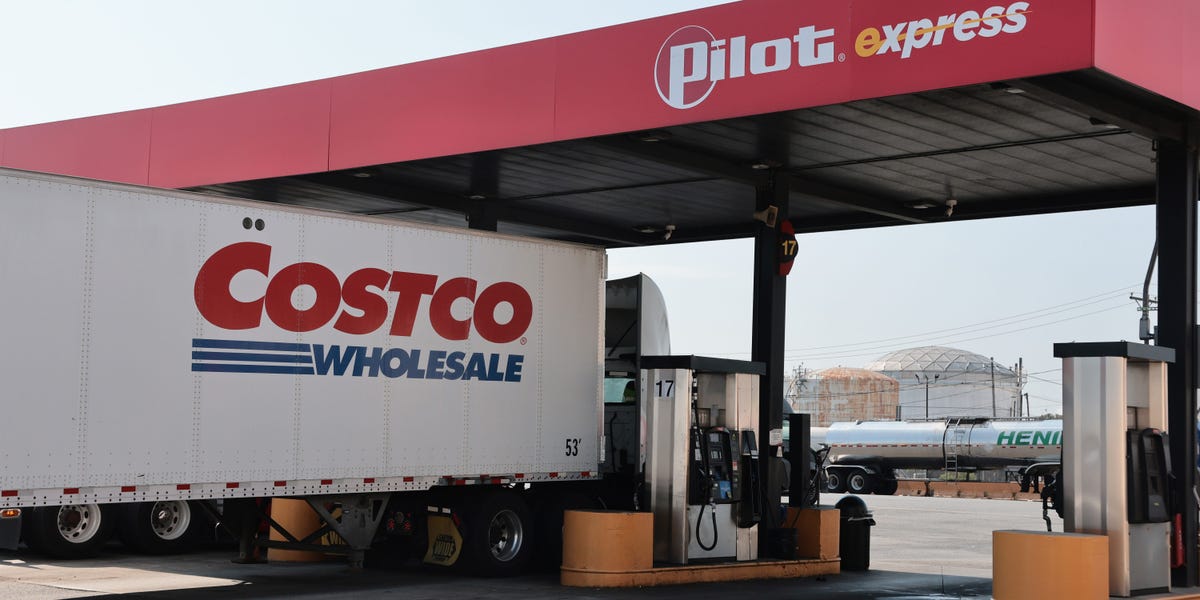
After a period of steep inflation, grocery costs had started to level off. However, escalating fuel and transport expenses now threaten to cut that reprieve short.
Although food prices have remained relatively stable this year, a large share of September’s jump in overall inflation came from a 20.4% rise in energy costs—the biggest increase since May, according to the U.S. Bureau of Labor Statistics on Wednesday.
Sabotage of oil tankers and energy facilities in Iran, Saudi Arabia, and Russia has disrupted global diesel supplies, probably pushing transportation costs higher throughout the economy in the weeks and months ahead.
These higher fuel and energy prices have a major effect on the cost of producing and moving food to grocery stores located thousands of miles away from the notorious Strait of Hormuz.
During a Tuesday earnings call, grocery chain Albertson’s reported that its operations are being squeezed by higher gasoline prices for American shoppers and elevated diesel costs in its own activities.
Spice manufacturer McCormick said earlier this month that it now expects inflation of about 7% in its financial outlook, partly because of energy‑related pressures.
“We’re seeing higher expenses across raw packaging and freight, especially freight costs driven by fuel prices, plus capacity constraints in the U.S.,” CFO Marcos Gabriel said during an earnings call.
Food conglomerate Conagra also forecast higher prices for the rest of the year, citing rising fuel and transport costs. Conagra’s brand portfolio includes Birds Eye, Marie Calendar’s, and Slim Jim.
Even though gasoline prices stayed elevated this year, the rollback of many of Trump’s tariffs allowed U.S. shoppers to begin noticing more stability—and some relief—in grocery prices. Retailers such as Walmart and Costco said they were channeling much of their tariff refunds into lower prices and better value for customers.
To counter shopper worries, some grocery retailers have introduced targeted, preemptive price cuts aimed at attracting customers with advertised bargains.
Discount chain Aldi announced last month that it will offer roughly $86 million in discounts on fresh foods through Nov. 3. Regional chains are also employing price cuts in their promotions; Ahold Delhaize’s Stop & Shop locations in the Northeast slashed prices on thousands of items, marked with eye‑catching yellow tags highlighting the reductions.
Yet a deteriorating energy outlook threatens to undermine the modest gains in affordability that consumers had begun to experience this year.
AAA said on Sunday that the average price of regular gasoline in the U.S. was $4.36 a gallon, up from $3.09 a year earlier. Diesel prices have also surged, hitting $6.28 a gallon earlier this month.
Freight rates for tankers traversing the Strait of Hormuz have risen sharply since the war started. Shipbroker Gibson reported earlier this month that attacks on tankers in the Middle East reached their highest frequency since the conflict began.
News outlets reported Wednesday that a cargo vessel sank after striking a naval mine in the Strait of Hormuz.
As a result, the modest relief in grocery prices that consumers had started to enjoy now appears increasingly precarious.