

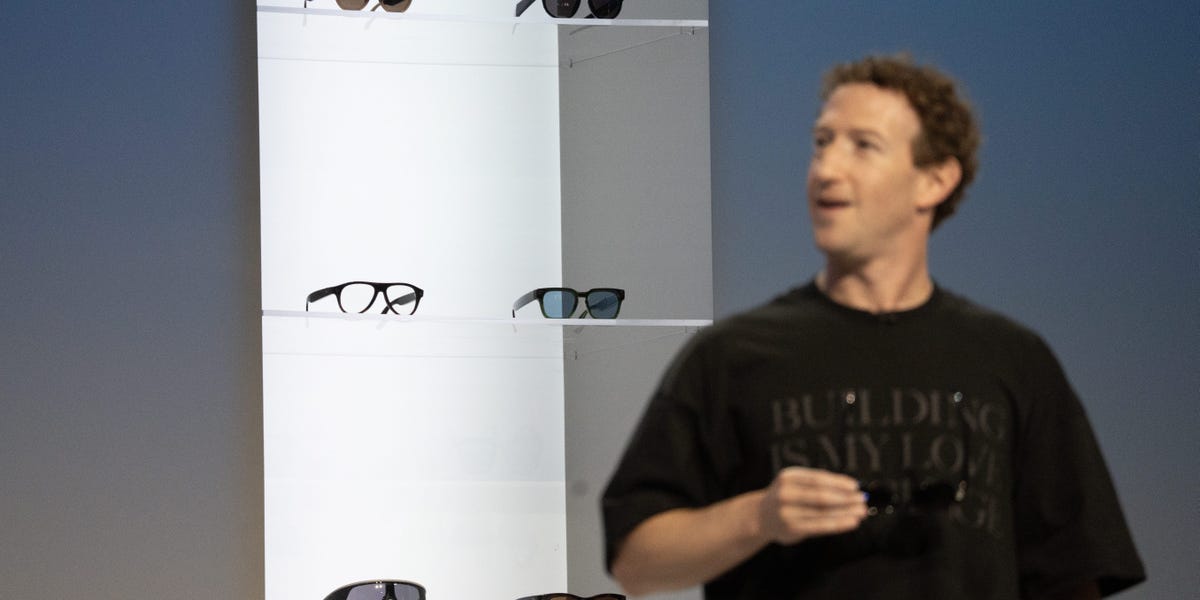
Opposition to Meta’s smart glasses is growing in the Netherlands, with at least two local retailers suspending sales after news stories highlighted privacy worries, and authorities are stepping in.
Hans Anders, a major Dutch eyewear retailer, has halted sales of the Meta glasses, and the online shop Wehkamp has done the same.
“This decision follows the ongoing public and political debate surrounding smart glasses and the questions being raised about the conditions under which this technology can be used,” a spokesperson for Nexeye, the parent company of Han Anders, told Themoneytimes. “Hans Anders believes it is important to await the outcome of this debate and any subsequent decisions before determining whether and how these products may be offered again.”
The pause in sales follows an article by the Dutch newspaper AD detailing how individuals, particularly women, have been secretly recorded in public spaces.
“Our glasses continue to be very popular and we’re continuing to expand styles and features,” a Meta spokesperson told Themoneytimes. “Every pair with a camera has a bright light on the front that blinks when you take a photo or video — it can’t be turned off and the camera is disabled if someone covers or tampers with it.”
The Dutch Data Protection Authority (AP) recently warned that camera glasses can be hard to spot in public, noting that the devices do feature a recording indicator light. The AP added that it is looking into additional actions that could be taken against camera glasses and similar wearable devices with cameras.
The nonprofit Offlimits released a statement calling on Meta and EssilorLuxxotica to withdraw the disputed Meta glasses from sale while they remain capable of covert filming.
Meta defended its glasses against privacy allegations, citing the indicator light and anti‑tampering mechanism that permanently disables recording if the light is blocked or damaged. The company’s executives also noted that smartphones have long enabled hidden filming without any recording indicator.
In September, the Dutch consumer organization Consumentenbond also called for a government ban on the glasses, citing privacy risks. In a video, the group demonstrated a new sticker that allegedly bypasses the recent software update which blocks filming when the indicator light is covered; the sticker admits light from the side while obscuring the LED when viewed head‑on.
Nevertheless, the Dutch government is not hastening to impose a ban. During parliamentary questioning, State Secretary for Justice Claudia van Bruggen noted that only six reports and a single complaint regarding the glasses have been filed with the Dutch Data Protection Authority.
Van Bruggen added that the European Data Protection Board intends to release a report on the glasses later this year, and that the cabinet looks forward to its findings and any recommendations.