

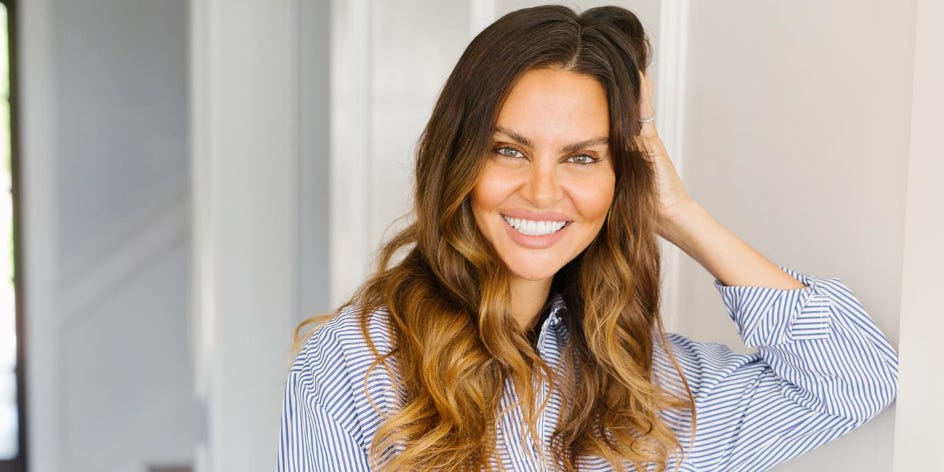
This as-told-to essay is adapted from a conversation with Ashley Tyrner-Dolce, the founder of FarmboxRX. It was edited for length and clarity.
I’ve always believed people either have an entrepreneurial mindset or they don’t. Fortunately, I do.
When I was a teenager, I worked at Starbucks in Phoenix Sky Harbor International Airport. I purchased the hard-to-find Beanie Babies sold in the airport gift shop and resold them on eBay, which is how I paid for my first car.
After my husband left me during my pregnancy, his income vanished from my life, and I briefly received food stamps. Then I began approaching the situation like an entrepreneur. I needed work that would not require me to stand all day in Arizona’s heat while pregnant, so I bought a bright pink ice cream truck for roughly $3,000.
The truck generated about $500 each afternoon, and I only worked a few hours. That income helped me leave the food-stamp program and save enough to move to New York City, a place I had always dreamed of living.
I created a CSA-style produce box
In New York, I entered the fashion industry through a friend of a friend. Harlow was just 6 months old, but we managed to make ends meet. We lived in a one-bedroom apartment, and I hired a nanny who accepted less than the going rate. I remain friends with her today, and as my earnings increased over the years, hers did as well.
New York could deliver me a bottle of Coke at 2 a.m. if I wanted one, but finding quality produce was difficult. Because no CSA-style produce delivery box was available, I launched one when Harlow was a toddler. I moved to a smaller apartment and reduced my expenses to give myself more time and financial room to get the business started.
Growing the company took a long and painful eleven years. Then the pandemic brought a major opportunity. The government revised regulations so insurance plans could offer food as a health benefit. I shifted away from the expensive and unpredictable direct-to-consumer marketing model and adopted a business-to-business approach, using our produce boxes to help health insurers engage their members.
I made sure my daughter held equity in the company
The transition was frightening, and there were many tears. Still, I kept my attention on the guiding purpose of my mission: bringing healthy food to the people who needed it most. I recognized that the new federal rules opened a major opportunity, and I positioned the company to take advantage of it.
The strategy paid off enormously. Last year, my company, FarmboxRx, was acquired in a transaction worth $47.5 million.
The sale created generational wealth for Harlow and me. I always made sure Harlow owned 30% of the shares that I owned. As a result, when the deal closed, she became wealthy enough to transform her life and those of future generations.
I want my daughter to remain humble and purposeful
Harlow’s money is held in a trust. Honestly, I am not sure whether she even knows how much is in it. She is 15 now, but she cannot access the funds yet. Before she can use the money, she must become a productive person.
That does not necessarily mean attending college. I did not go to college, and I have done quite well. But she needs to pursue something meaningful, whether through work, art, volunteering, or another path.
I once imagined Harlow taking over the company I built, but she was never interested. She is a singer and a highly artistic person. I do not care whether she becomes an entrepreneur; I want her to stay humble and find meaningful work that makes her happy. She may have a trust fund, but she will never be a spoiled rich kid like Billy Madison.