

Canada is intensifying its response to President Donald Trump’s trade war, with another wave of retaliatory tariffs scheduled to begin on September 8.
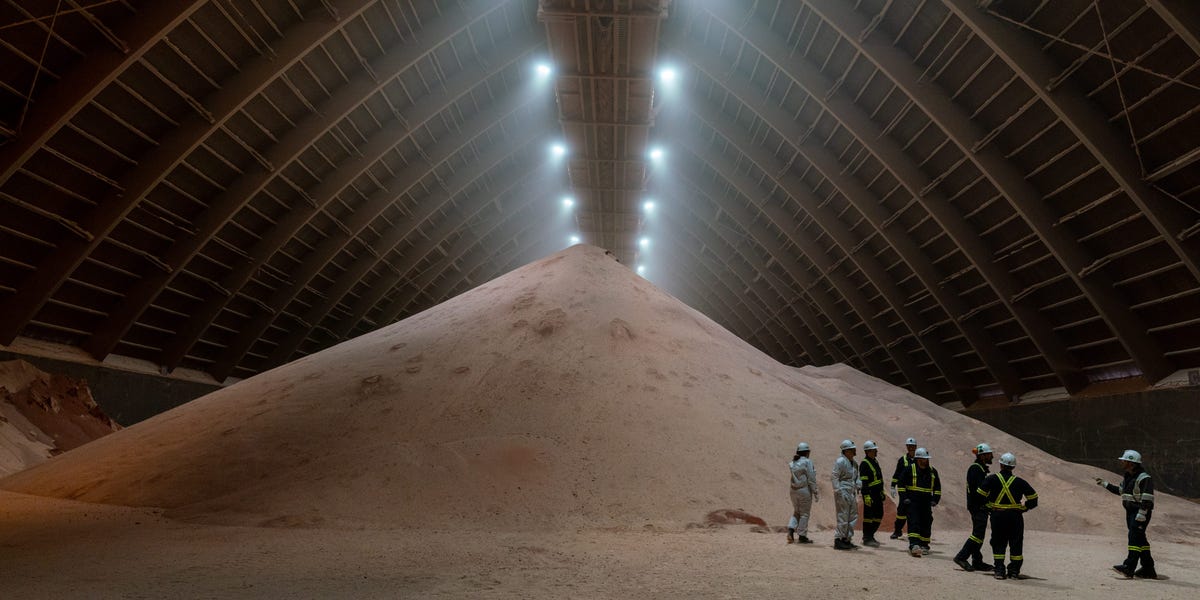
However, two critical Canadian commodities—oil and potash, a vital fertilizer component—should remain off the table in a conflict, said Scott Moe, the premier of Saskatchewan in western Canada, during a press briefing.
“This is something our province cannot and will not support: any type of export tariff on our natural resources or any resource being shipped to the U.S. or through the U.S. to other regions worldwide,” Moe stated.
His cautionary remark arrives amid rising tensions in U.S.-Canada trade relations. Negotiations collapsed last week, and new 50% tariffs on approximately $20 billion worth of Canadian imports took effect on Saturday. On Monday, Trump threatened to increase tariffs on Canadian-made vehicles, automotive parts, and steel to 50% starting January 1, 2027.
Canada plans to respond dollar-for-dollar beginning September 8. Earlier Tuesday, the nation announced tariffs totaling 27.6 billion Canadian dollars (about $20 billion) on U.S. imports, covering sectors such as steel, dairy, and electronics.
Canadian leadership has increasingly sought leverage over Washington, ranging from reconsidering F-35 purchases to targeting U.S. coal shipments and considering cuts to electricity exports.
Moe backs Ottawa’s targeted countermeasures, provided they limit harm to domestic industries and families while inflicting greater damage on the United States.
“If we tax potash exports, it would backfire by costing Canadian jobs and driving U.S. buyers toward alternative suppliers,” he explained.
According to Canadian government data, Canada ranks as the world’s leading potash exporter, supplying roughly 40% of global shipments in 2024, with the United States receiving 53% of those shipments that year.
Oil represents another non-negotiable boundary for Moe.
“We absolutely cannot endorse adding export tariffs on a product like oil,” he declared, labeling such a move an “unsustainable blow to our Canadian economy.”
The White House had excluded energy and potash from its latest 50% tariff package.
Moe noted he has not yet heard Ottawa propose export tariffs on either commodity.
He cautions against retaliatory actions that may offer short-term satisfaction but ultimately undermine Canada’s interests.
“We must exercise great care regarding policies that might make us feel good in the moment,” Moe argued, emphasizing that attention should instead focus on measures that help bring the U.S. back to the negotiating table.
Saskatchewan is taking action elsewhere. Beginning September 8, the province will impose a 50% levy on American alcohol while continuing to sell U.S. liquor.
As one of the United States’ largest trading partners, with approximately $870 billion in goods and services exchanged between the two nations in 2025.