

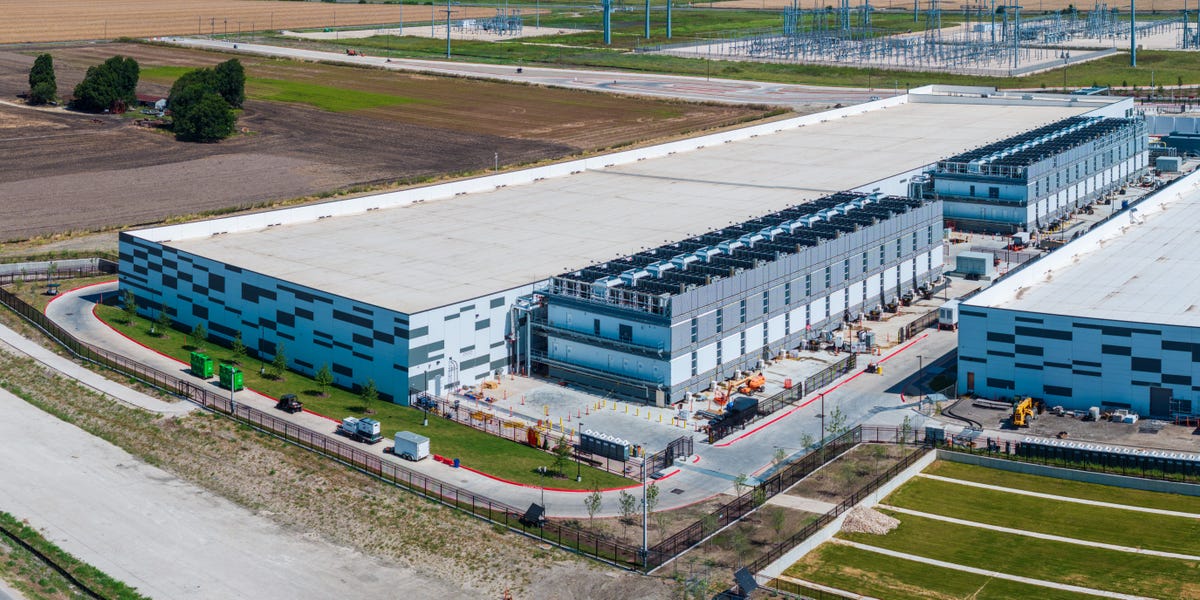
Although AI is becoming more affordable, increased corporate adoption is likely to intensify strain on the electrical grid.
Recent reports from McKinsey and Boston Consulting Group indicate that as businesses expand AI beyond chatbot trials into broader operations, lower model costs and token prices may encourage more frequent and larger-scale AI deployment, potentially stressing the grid.
AI vendors typically charge per token — the basic units of text processed and generated. McKinsey notes that in the near term, cheaper tokens could spur wider AI use and higher electricity demand, even as firms work to improve the efficiency of models, chips, and data centers.
This is significant because data centers are already consuming more power. McKinsey describes data-center electricity demand as the fastest-growing load segment in OECD power markets. In some regions, data centers are the primary driver of projected electricity demand growth through 2030. The firm projects global data-center power demand to rise 24% annually until 2030, then moderate to 5% yearly from 2030 to 2040.
Even as AI usage scales, BCG found that the most advanced adopters — dubbed “future-built” companies — don’t let token spending increase unchecked. Among 1,300 surveyed C-suite and senior executives across 20+ sectors, three-quarters of these leaders had set explicit token budgets tied to specific returns. Half actively promoted paid AI tool usage to boost adoption, versus 25% of lagging firms, while 22% imposed usage limits to control costs.
A trade-off exists: as individual AI tasks become cheaper and less energy-intensive, the technology becomes viable in more applications, ultimately driving up total power consumption.
McKinsey says the long-term outlook for data-center growth post-2030 is uncertain, as firms assess whether AI delivers sufficient value. However, the reports suggest that lower AI costs won’t necessarily reduce energy use; instead, they may unlock many new use cases.