

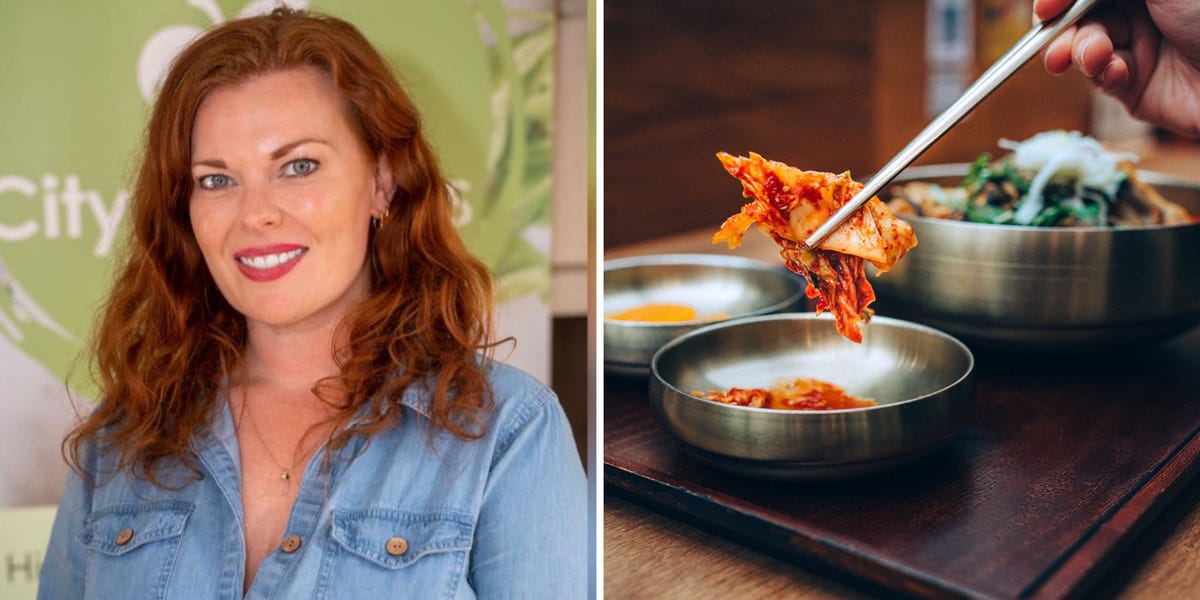
Sophie Medlin has worked as a colorectal dietitian for two decades, adjusting her eating habits to reduce her colon‑cancer risk.
She and her chef husband prepare most of their meals at home, focusing on whole, unprocessed ingredients, though they still enjoy restaurant meals or takeout now and then. “It’s not perfect all the time. Nobody can be perfect all the time,” Medlin, based in London, told Themoneytimes.
Colon‑cancer rates among people under 50 have climbed since the mid‑1990s, making it the leading cause of cancer death in that age group. Although the exact reason for the rise is unclear, research shows that regular exercise and a balanced diet can lower the risk.
Medlin shared the two foods she tries to eat every day and the one she limits as much as possible.
Limit red meat and eliminate processed meat
“I’ve essentially eliminated processed meat,” she said. This includes popular snacks like beef jerky, which are “getting a bit of a health halo at the moment because of the high‑protein trend,” Medlin added.
Processed meats such as hot dogs and deli slices, as well as unprocessed red meat, have been associated with colorectal cancer to varying extents.
Medlin still eats red meat but caps it at two servings per week. The World Cancer Research Fund recommends no more than 350–500 grams of red meat weekly, roughly three portions.
Eat plenty of different plants
Medlin stresses that consuming a wide variety of plant foods is a priority.
The gut microbiome — trillions of microbes lining the colon that affect overall health and chronic‑disease risk — flourishes when supplied with diverse plant‑based foods. Beneficial bacteria feed on the fiber found in plants.
“When we ferment plant foods in our gut, we generate postbiotics such as short‑chain fatty acids that help shield us from colorectal cancer,” Medlin noted.
She advises patients to toss an extra vegetable into the pan while cooking dinner. “It’s just as quick, and you gain an additional vegetable variety that delivers extra gut‑health benefits,” she said.
Fermented foods
Medlin makes sure to include some form of fermented food — like yogurt or kimchi — in her daily diet.
Fermented products are created using live bacteria, yeast, or mold and are believed to introduce beneficial microbes into the gut microbiome.
She often prepares tzatziki from Greek yogurt, cucumber, extra‑virgin olive oil, and herbs, using it as a dip. She also regularly eats pickled cabbage or yogurt, both fermented, alongside meals.
Turn expert insights into growth.
Try a Level Up action pack.
Health & Wellness
Hydrate for Performance
Build a simple hydration routine to boost energy, focus, and daily performance.
Want more Themoneytimes in your feed? Add BI in Google so our reporting is easier to find when you’re searching for what matters.
“It’s a habit that you form over time of adding things to your meal. They become like condiments.”