

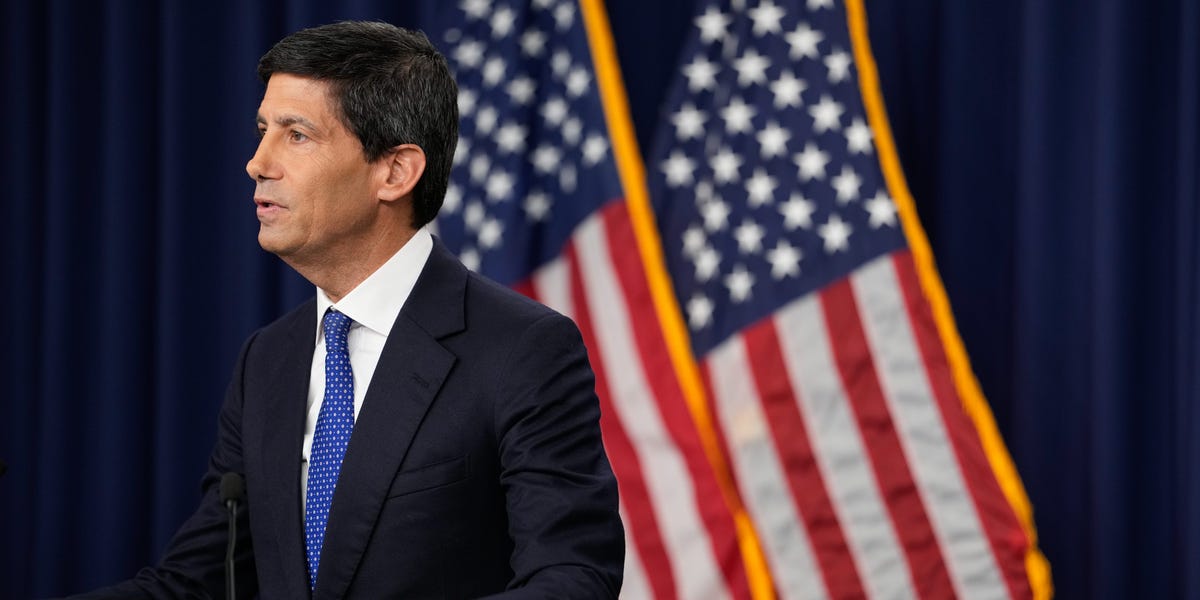
Bank of America indicates the Federal Reserve has launched a series of rate increases that are expected to continue through year-end. In a note published on Friday, the bank projected that the Fed will raise interest rates twice more during 2026, following the September 25-basis-point hike.
Markets are forecasting one additional rate increase in 2026 as the most probable outcome, anticipating a potential hike at the December meeting. BofA explained several factors that could lead to more rate rises than anticipated. First, the economy continues to perform strongly, which supports the view that inflation may prove persistent. Inflation has stayed elevated, with CPI reaching 3.4% year-over-year in the past two months.
However, the second factor is that rate hikes have become “politically expedient” for Fed Chair Kevin Warsh, according to the bank. Despite President Donald Trump’s calls for the Fed to cut rates, hikes appear to serve a strategic purpose: they help cap long-term bond yields after rising oil prices and the Treasury’s buyback program heightened investor concerns about future inflation. Soaring yields on assets such as 10-year and 30-year Treasuries began pressuring equity prices. Consequently, a hawkish Fed stance at the moment benefits markets and enhances Warsh’s reputation, the bank stated.
“Fed hikes were politically challenging a few months ago, but they increasingly seem like an opportunity for Chair Warsh to enhance his legacy,” wrote Aditya Bhave, U.S. economist at the bank, in the note.
Regarding the September hike, Bhave noted that the rate increase eases worries about whether Warsh maintains political independence. Further increases would definitively resolve that question. Additionally, by raising rates at only his third meeting as Fed Chair, Warsh can shift responsibility away from the inflation issue while simultaneously claiming credit for upcoming disinflation.
After three consecutive rate hikes through the end of 2026, Bhave suggested policy adjustments would usher in an extended pause.
Neil Dutta, head of economics at Renaissance Macro Research, also indicated that Warsh may take a more hardline stance than some investors anticipate. Dutta reported on Friday that, despite Warsh’s skepticism toward forward guidance, he hinted at hawkish monetary policy views during Wednesday’s meeting. For example, Warsh cautioned that high commodity prices signal inflationary pressures and described the recent hike as merely a “dose of accommodation.”
This led Dutta to conclude that we are nearer to the start rather than the conclusion of the Fed’s tightening cycle. He added that “there is a reasonable possibility Warsh continues until something unfolds badly in the economy,” and that in his initial tenure at the Fed, Warsh “has been willing to permit the labor market to weaken to address the inflation side of the mandate. His actions to date suggest he would do so again.”