

Micro dramas are experiencing explosive growth internationally and are now gaining momentum in the United States, with numerous startups attempting to persuade American viewers to spend a few dollars watching serialized stories on their phones.
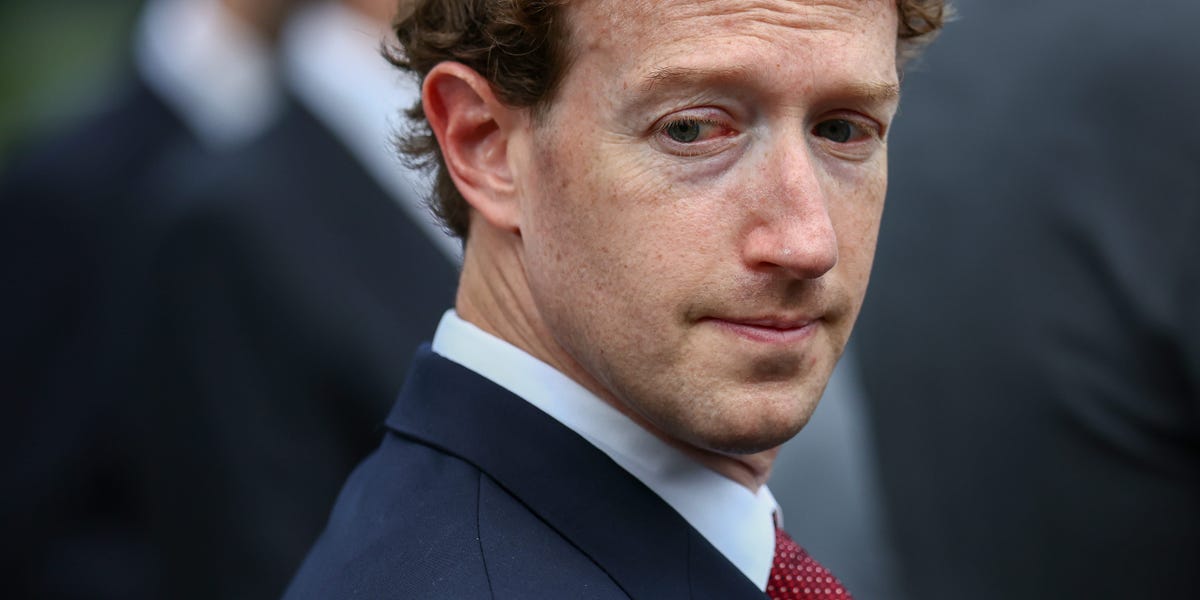
At this moment, however, there’s a single dominant beneficiary in the US micro drama market: Mark Zuckerberg.
Meta stands out as the overwhelmingly preferred platform for micro drama creators to promote their content, according to industry insiders. Some estimate that startups are allocating as much as 75% of their marketing expenditures to Meta’s family of apps, hoping to funnel Facebook and Reels users toward their own platforms.
“What I hear consistently from apps is, Meta gets more than half of the customer acquisition spend by most micro drama apps,” said Hernan Lopez, founder of research firm Owl & Co. He estimates global micro drama advertising spending at $1.5 billion — not counting China, where the format originated.
But Meta isn’t merely collecting advertising revenue from the micro drama sector. It’s also receiving massive amounts of free content: Micro dramas market themselves by offering users multiple episodes of their shows at no cost — sometimes dozens of episodes. Several micro drama producers, including ReelShort, Flareflow, and ShortMax, have uploaded clips stretching up to 20 minutes to Meta’s advertising hub.
This gives Meta the best of both worlds: Micro drama producers pay them money while simultaneously providing engaging videos that keep audiences on Meta’s platforms.
Meta declined to comment.
GammaTime, a year-old micro drama company, directs approximately 55% of its marketing budget to Meta, said cofounder Slava Mudryk. Extended advertisements are part of the strategy when GammaTime debuts a series or has a particularly compelling story arc within a series, he explained.
Mudryk noted these lengthy ads give Meta an edge over TikTok and YouTube, which don’t offer comparable formats.
“We always use it with launches,” he said. “What we see is that this long sequence just brings people in to watch. And when it’s done, the desire to continue watching on the app is strong.”
One might expect TikTok — built entirely around short clips and with Chinese origins making it deeply familiar with micro dramas — to be a major player in micro drama advertising. However, industry sources say Meta’s advertising infrastructure and targeting capabilities make it simpler to locate viewers and convert them into paying customers.
It also helps that Facebook’s older user demographic is more likely to have the means and willingness to spend money on apps, says Ali Albazaz, whose Inkitt startup operates the micro drama app Candy Jar.
“If the story is enticing enough, and grabs the user’s attention, that person who comes to our app has a very high likelihood of converting to a paid user.”
But this dynamic also appears to create long-term friction between Meta and its new category of clients: If micro drama operators achieve genuine traction, they’ll eventually start drawing eyeballs away from Meta.
This isn’t a new tension for Meta: Several years ago, when TikTok was entering the market, Meta earned billions selling ads promoting the app to its own users — and now TikTok stands as a massive competitor.