

OpenAI has spent months indicating that it wants a larger presence in the legal sector. Its latest partnership hints at the strategy: the company intends to do more than provide models and software—it will also deploy people to help clients put those tools to practical use.
Telon, a London-based startup, is among the businesses providing that hands-on support.
Instead of selling software, Telon recruits and trains “legal engineers,” primarily former attorneys who work within law firms and in-house legal departments to help them extract greater value from technology they already purchase. Its approach resembles forward-deployed engineering offered as a service.
Although Telon is less than six months old, it has already attracted interest from a technology giant. On Tuesday, the startup announced that OpenAI had designated it a “select partner,” a position that will involve collaborating with mutual customers to configure models, create prompts, develop agents, and educate lawyers.
OpenAI introduced its Partner Network in June to help consultants and other partners deploy its models and software at companies worldwide. The company says it plans to certify 300,000 consultants by the end of 2026.
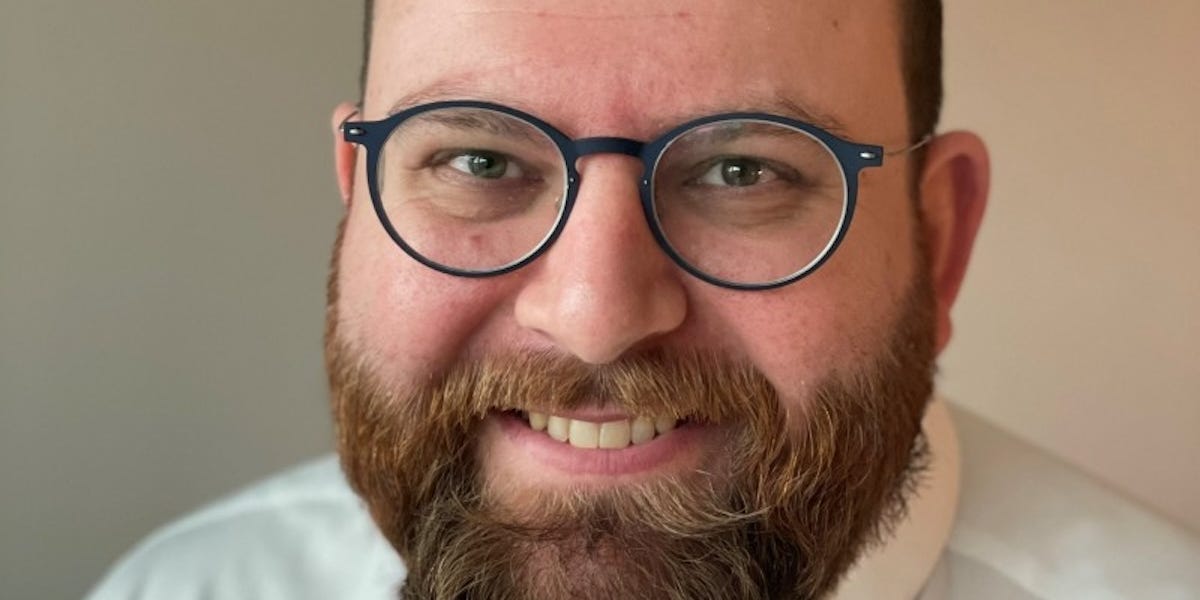
Lewis Bretts, a former trial lawyer who expanded PwC’s legal practice before establishing Telon in June, said securing an agreement is not the most difficult part of selling artificial intelligence to law firms. The greater challenge is persuading attorneys to use it in practice.
That obstacle has generated increasing business for professional-services companies, which have long assisted organizations with adopting enterprise software. Bretts said he launched Telon after recognizing that this type of implementation work was changing.
Companies previously engaged firms such as McKinsey or Deloitte to deploy a Salesforce database or another major technology platform. Those projects could last months or even years, but they ultimately reached completion.
Artificial intelligence operates differently. Research labs continually release new models, and every update broadens the capabilities of applications built on them. Bretts noted that a business may purchase licenses and complete a successful pilot, only to discover months later that its staff uses a small portion of the technology’s potential.
Telon believes a specialist focused on the legal field can bridge that divide. Since June, it has expanded to 30 employees and secured investment from Zach Posner’s LegalTech Fund. Bretts declined to identify customers or reveal the financial details of the OpenAI arrangement.
The partnership provides Telon with a mark of credibility.
It could also help OpenAI address a more difficult issue.
As the company moves further into legal services, its proposition faces a recurring question: Why would a law firm purchase directly from a model provider when specialized application companies design their products around the realities of legal work?
Telon could offer OpenAI a route to tap into some of that specialized standing.