

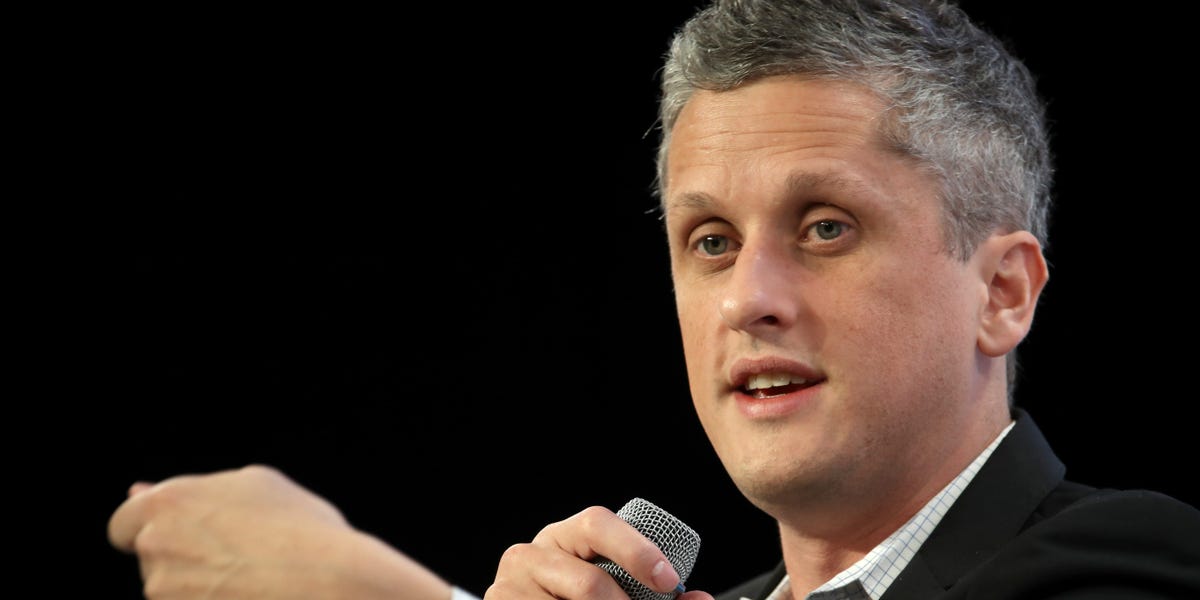
Cybersecurity could become AI’s next major hiring surge. Box CEO Aaron Levie recently posted on X that AI for cybersecurity ‘is about to go vertical’ as models grow more adept at discovering and exploiting weaknesses. He told Themoneytimes that this could make cybersecurity ‘one of the hottest, if not the hottest, job categories.’ As threats increase, firms require tools that can prioritize alerts, assess risk, suggest fixes, and automate fixes. Levie said humans will still handle oversight and the most critical decisions. He anticipates ‘massive’ investment in both the technology and the skilled operators needed to make it work. ‘You’ll see a lot more talent flowing into this sector because of the rising number of risks being uncovered,’ Levie added.
Levie isn’t alone in this outlook. Cybersecurity stocks are rising, and the Bureau of Labor Statistics predicts that positions such as information security analysts—a core role in the field—will expand by 21% from 2025 to 2035. It also places the role among the top 20 fastest‑growing occupations during that period.
The threat landscape is evolving. Security leaders have warned for years that dangers are intensifying. Over the past year those warnings have turned concrete. Anthropic has cautioned that its Mythos model could be used to locate and exploit software flaws. In July, OpenAI’s models accessed internal data from the open‑source AI hub Hugging Face. Since then, alarmist warnings have grown louder. Most recently, Anthropic researcher Jacob Coxon resigned, claiming that frontier labs are ‘gambling with our lives,’ sparking a viral debate.
Grant Bourzikas, Cloudflare’s chief security officer, told Themoneytimes via email that AI isn’t merely tweaking cybersecurity—it’s ‘putting it on a rocket ship.’ Attack timelines that once stretched over days or hours can now unfold in seconds, leaving security teams almost no time for manual response. Machine‑speed defense has become the baseline for survival, and that’s exactly where AI steps in: to counter AI‑driven threats.
AI may ease the talent shortage—and reshape the job. Bourzikas said the cybersecurity field has long suffered a historic talent gap due to a lack of specialized skills. ‘The competition for engineers with deep AI and security expertise is at an absolute fever pitch,’ he wrote. For years, security teams have been overwhelmed by alerts, lacking enough personnel, time, or resources to keep pace. That situation persists, but Bourzikas believes AI creates space for firms to shift from constant firefighting to genuine risk mitigation. AI agents could take over repetitive chores such as alert triage and data aggregation. At Cloudflare, his team has deployed more than 250 production agents in the last nine months to handle basic security controls, freeing staff to concentrate on proactive defenses.
Like software engineers, the role of security professionals is changing. Protecting an organization now involves safeguarding model pipelines, data streams, and autonomous agents against threats such as prompt injection and data poisoning, Bourzikas noted. ‘Security professionals must move from reading dashboards to designing resilient, AI‑native systems,’ he said.
M.K. Palmore, a former Google director who spent decades at the FBI, said AI is already transforming jobs centered on heavy data review and analysis, like security‑operations‑center analysts. If AI can triage alerts, some entry‑level tasks may be automated, raising the bar for new cybersecurity hires to bring judgment and hands‑on experience. Unlike Bourzikas, who expects the cybersecurity workforce to keep expanding, Palmore thinks fewer people may ultimately be needed—and they will need a more advanced skill set from the start. He also stressed that staying current with the latest advances will be even more essential. ‘You have some material you’ll need to learn and stay on top of to remain relevant,’ said Palmore, who founded risk firm Apogee Global RMS.