

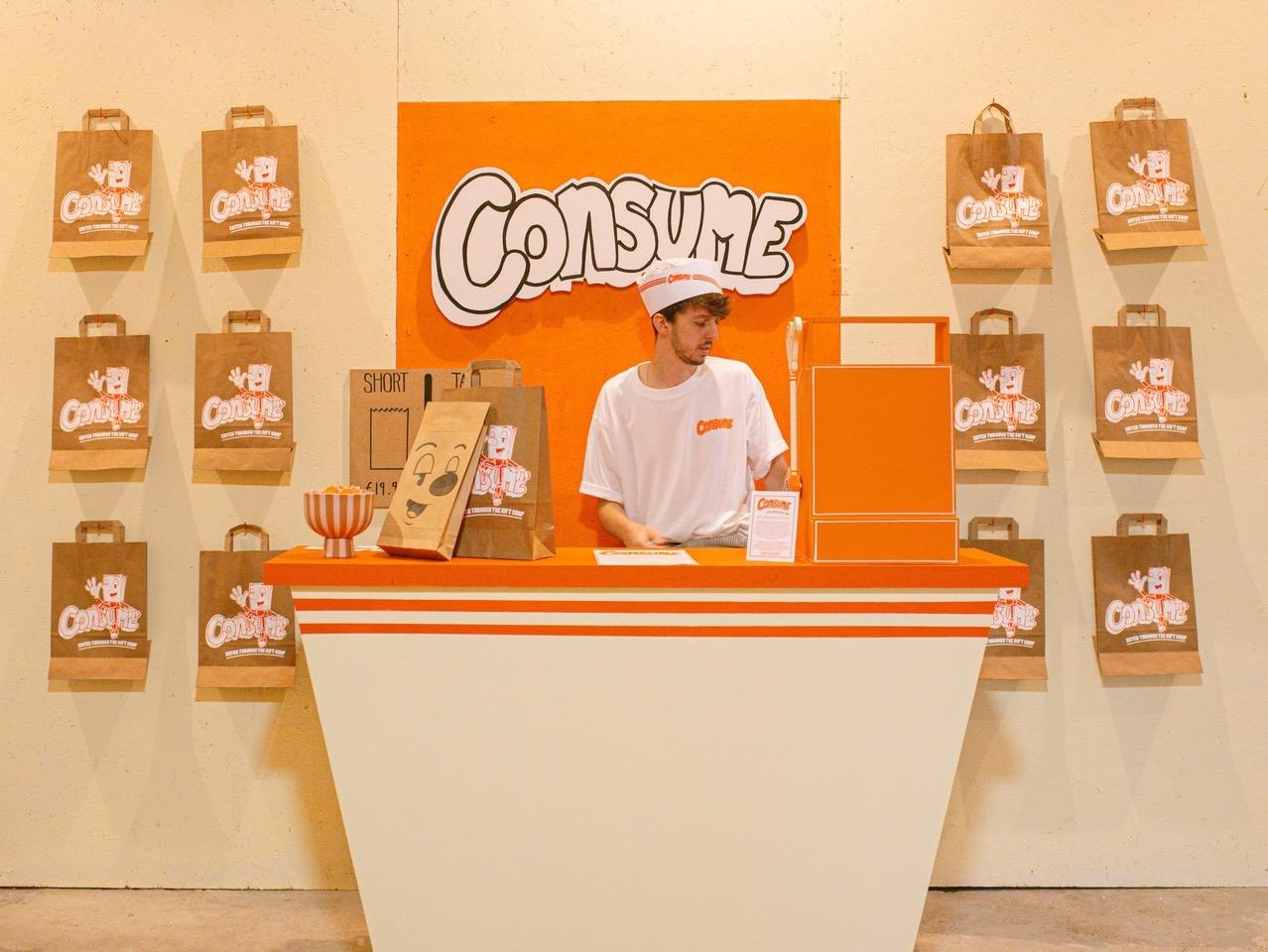
Park Royal Design District has announced a vibrant programme of free, community-driven events for London Design Festival 2025, spotlighting sustainability, creativity and local talent. The two-day celebration, taking place from 13th to 14th September, will feature exhibitions, open studios, workshops, guided walks, talks, and art markets. The event promises to be a distinctive “festival within a festival” in one of London’s fastest-evolving creative hubs.
Located in the heart of West London’s once-overlooked industrial Park Royal, the non-profit design district has become a thriving nucleus for makers and designers. Now designated a Creative Enterprise Zone, the area is home to a diverse community of artisans working across disciplines such as leathercraft, millinery, furniture design, glasswork and sustainable fashion.
Set against a backdrop of repurposed factories and warehouses once central to the UK’s automotive and food production industries, the district champions circular design and low-waste production. Many of its creatives embrace reclaimed materials and industrial offcuts in their practice, making Park Royal a leading voice in London’s sustainable design movement.
PRDD Programme Director Grace Williams is enthusiastic about the LDF presentation in Park Royal Design District, explaining how it has the potential to regenerate the area and involve the local creatives: “Visitors to the area are consistently enthused and energised by the thriving creative community here. It is a prime example of the important role artists play in authentically regenerating former industrial areas.”
Among the program highlights are North Acton Village Hut by ReCollective and Social Designs, which invites visitors to take part in clay plastering and timber cladding workshops; artist Regan Boyce’s immersive installation Consume, which comments on consumerism and the cult of brands; David Samuel’s The Beings furniture collection; a Rescued Clay studio workshop using locally rescued construction-site clay; and 3D-printed sculptures exploring future uses of Cupsan created by Blast Open Studio.
Other highlights to check out include a presentation by designer Bill Amberg Studio of the next generation in experimental leather, conceived in collaboration with Kingston University’s Product & Furniture Design MA Course and The Leathersellers’ Foundation; and Rafael El Baz’s 11 Million Dots–a vast art installation combining ambient noise and audio interviews, transformed into a visual language spanning the six-story facade of Vantage Data Centers’ LHR21 facility.
Rafael El Baz created 11 Million Dots in collaboration with the local community, and I asked him how he transformed voices and industrial sounds into a visual language. He explains how he created the installation, which began by recording ambient sounds and interviews, before translating them into a facade design: “I wanted 11 Million Dots to act as a record of Park Royal in 2025. Instead of starting with a sketch, I began with sound, recording hours of conversations with residents and makers, the hum of factories, traffic, birdsong in the park, and the everyday rhythms that capture the hidden heartbeat of the place. These became the raw material for the piece. Using custom software, I transformed the recordings into flowing patterns that resemble clouds, streams, and data currents. The result is a façade that shifts between being technological yet organic, a surface shaped by the voices and sounds of the community. What excites me is that the artwork isn’t just authored by me, it’s co-authored by the people, industries and environment of Park Royal itself.”
Bill Amberg gave me some insight into how his studio’s Next Generation in Experimental Leather showcase highlights experimental leatherwork, and what his experience was of working on the project with Kingston University MA students. “Park Royal Design District is one of the creative hubs for innovative design in London at the moment, and I’m really glad to be part of it. Working with Kingston is an opportunity to let these young designers, many of whom are just entering the world of design and manufacture, see what’s possible. It opens their eyes to new materials, processes, and people, and I hope that by exhibiting in the studio as part of LDF, they get to meet audiences they might not otherwise reach.”
So what does Amberg feel about the future of leather design and its approach to sustainable design after working on this project? “The Leathersellers’ Foundation have been brilliant in collecting surplus leathers and waste from factories and making them available to students. I introduced a lot of vegetable-tanned and moulding leathers to the group at Kingston, and that proved to be really inspirational. I don’t think they’d even considered using that sort of material before and now, all of them are making really beautiful objects out of something that would otherwise have gone to waste. It’s a perfect opportunity to reuse, recycle and repurpose materials in a way that feels both exciting and responsible.”
The PRDD programme runs from 13th to 14th September as part of London Design Festival. There are a number of free workshops ranging from clay plastering and crochet to book binding. View the full program here.