

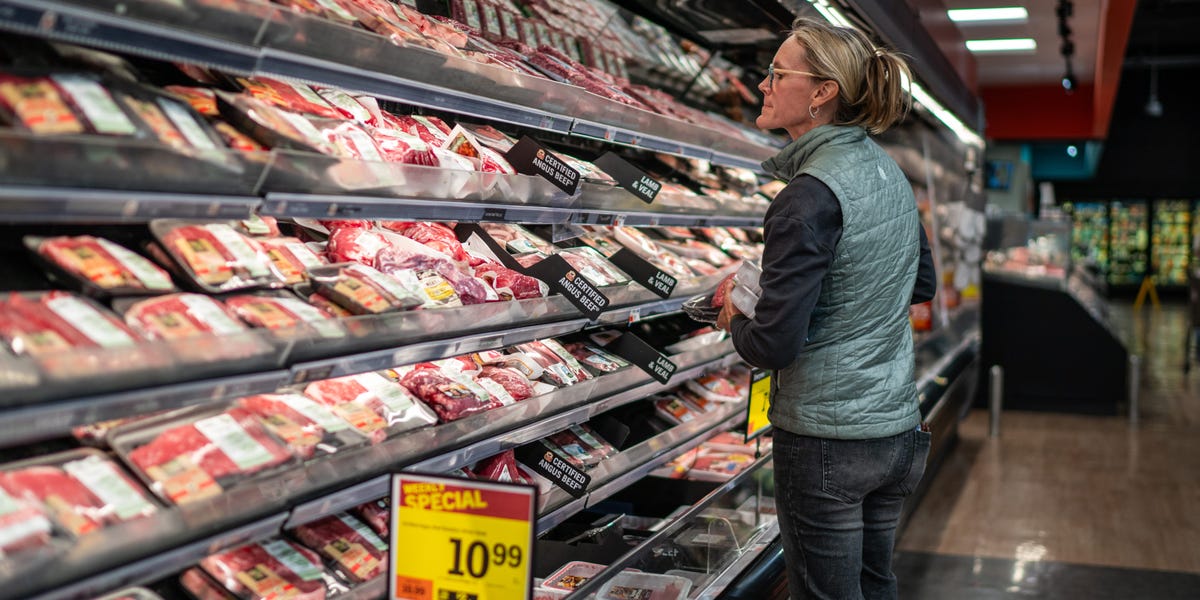
Inflation may be making a troubling comeback.
The Bureau of Labor Statistics is set to release its newest consumer price index report at 8:30 a.m. ET. Economists forecast that September’s inflation rate accelerated to 3.6%, up from 3.4%.
Any rate above 3% would indicate that inflation has outpaced wage growth for the sixth consecutive month, as average hourly earnings have been declining. September’s year‑over‑year wage increase was the smallest since 2021, when the labor market was still rebounding from the brief but severe pandemic downturn.
ZipRecruiter economist Nicole Bachaud noted that despite a healthy job market with low unemployment and continued job creation, rising prices can strain workers’ purchasing power.
“When we look at the majority of the US workforce, people who are middle- and lower-income households, higher costs in things like gas and groceries take up a larger share of their income,” Bachaud said.
“And so even though prices overall maybe only increased by 3.4% or so, it’s a much higher share of their overall income that is going to these higher prices for gas and groceries and heating costs for their homes, especially as we come into the winter.”
The Federal Reserve raised rates in September for the first time since 2023 in an effort to curb elevated inflation. While another increase before year‑end is possible, the most probable outcome at the upcoming meeting is a pause, according to CME FedWatch.
The tracker, which reflects interest‑rate traders’ views, indicated as of Tuesday afternoon that markets assign about an 80% probability the Fed will keep rates unchanged at the October 27‑28 meeting. There is roughly a 90% chance of at least one rate hike by the final meeting of the year in December.
The Federal Open Market Committee’s September minutes highlighted worries about persistent inflation exceeding the Fed’s 2% target and the underlying drivers, such as the ongoing conflict in Iran.
The minutes quoted committee members as saying, “Inflation remained elevated and we have not made enough progress in reducing it over recent months.” They also pointed out that “ongoing geopolitical developments, which have driven up crude oil and refined fuel prices, and a surge in AI‑related investment are adding to inflation pressures.”
Tariffs pose an additional risk, with some officials warning that the possibility of further hikes could intensify pressure.
Want more Themoneytimes in your news feed? Add BI in Google so our reporting is easier to find when you’re searching for what matters.
Voters heading to the polls for the November 3 midterm elections may be focusing on inflation and rising costs for gas and other essentials. A summer Reuters/Ipsos poll revealed that roughly half of registered voters consider the cost of living to be the most decisive factor if the election were held today.
Visit this page around 8:30 a.m. ET for the latest analysis of the release.
Have you adjusted your budget or financial goals, like home buying, because of the economy? Contact the reporter at mhoff@Themoneytimes.com.