

Everyone in Hanna Miller’s family remembered her father as kind and generous. As his dementia advanced, he could not recall that he had already placed an online order just a few hours before. Presents, such as toys for his grandchildren, accumulated so fast that he struggled to pay for them.
Watching his decline was painful. Miller’s father held a Ph.D. in biomathematics, spent his career in pharmaceuticals, lived abroad but visited frequently, always arriving with suitcases full of gifts. When his grandchildren called to ask what he was doing, he would reply, “Sitting and waiting for you.”
But as the dementia worsened, his habit of buying things online became more than a nuisance — he would repeatedly order food, and the costs began to exceed his modest Social Security and pension income, which only covered rent and basic living expenses.
Miller felt she needed to act, yet was unsure how. Her sister held power of attorney as their father’s caregiver, so they collaborated to cancel his online orders and swap his credit cards for a debit card. This upset him and sparked repeated arguments, forcing Miller to wrestle with ethical concerns about strictly parenting her own father. She felt she was invading his privacy and stripping away his independence.
“I kept questioning myself, wondering, ‘Do I really have the right to decide this for him?,'” Miller said.
Miller considered whether AI could offer a compromise: a way for her father to keep shopping without each purchase turning into a financial crisis. She had experimented with ChatGPT for personal use but lacked confidence to build a real product that would block unnecessary orders.
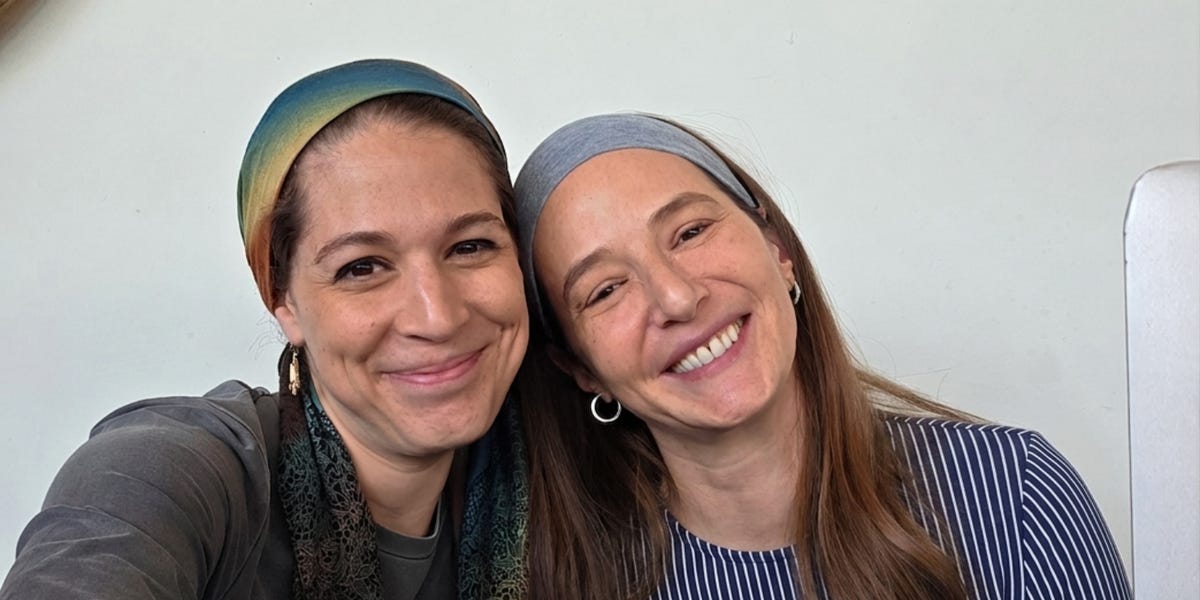
She teamed up with friend Nikki Elbaz, who had stronger technical skills. Together they created a service that redirects users to a fake checkout page on any online store, stopping them from completing a real transaction. They named it ShieldCart.
“I told him there’s a new AI‑based app that acts as a secure checkout, ensuring everything is correct and problem‑free,” Miller explained.
This well‑intentioned deception went further than merely canceling occasional online orders, leaving Miller deeply conflicted about moving forward.
She sought advice from her rabbi, who supported the approach, comparing it to performing life‑saving surgery on an unconscious patient.
Miller describes ShieldCart as a dignified answer to a deeply troubling problem.
“Even though I had to step in and become the ‘parent,’ I managed to do it in a way he couldn’t sense,” she said. “He didn’t need me to say, ‘I’m taking over. You can no longer be the parent. I have to be the parent.’ He didn’t have to face that.”
Miller estimates the family saved thousands of dollars over a year while allowing her father to believe he was buying all the gifts and goods he wanted, avoiding the bitter fights they had previously endured.
“It was beautiful to see he could be generous again,” Elbaz added. “We’ve given him that freedom back.”
ShieldCart was built using Claude Code. It operates as a Chrome extension installed on the aging parent’s computer and as a desktop app for the caregiver to monitor purchases.
The caregiver can block specific websites — in Miller’s case, crypto sites — much like parental controls. The app never collects real credit‑card data; it only asks for the last four digits of the card to generate realistic confirmation pages. Different modes allow purchases to be blocked completely, paused temporarily, or processed and reviewed later.
When opening the app to outside users — currently in beta testing by application only — Miller and Elbaz are clear about the ethical dilemmas their product raises. They advise users to consult an elder‑law attorney or secure power of attorney before installing the software on a loved one’s device.
Miller noted the app may not suit every family. If children are not close to their parents, or if loved ones have a milder form of dementia, the tool might be less effective.
Miller’s father passed away last month. His death came as a shock because he had been in decent health and still retained his faculties. After a period of mourning, Miller decided to continue developing the app, aiming to reach as many families as possible.
“The goal now,” Elbaz said, “is to partner with organizations that support people caring for loved ones with dementia. We are preparing to expand beta testing, making the app free for the rest of the year, and adding mobile capabilities for those who only use phones or tablets.”
“Knowing that the system we built for him will now help other families navigate these challenges with the same respect and love feels like a true privilege and a meaningful legacy beyond our nuclear family,” Miller said.