

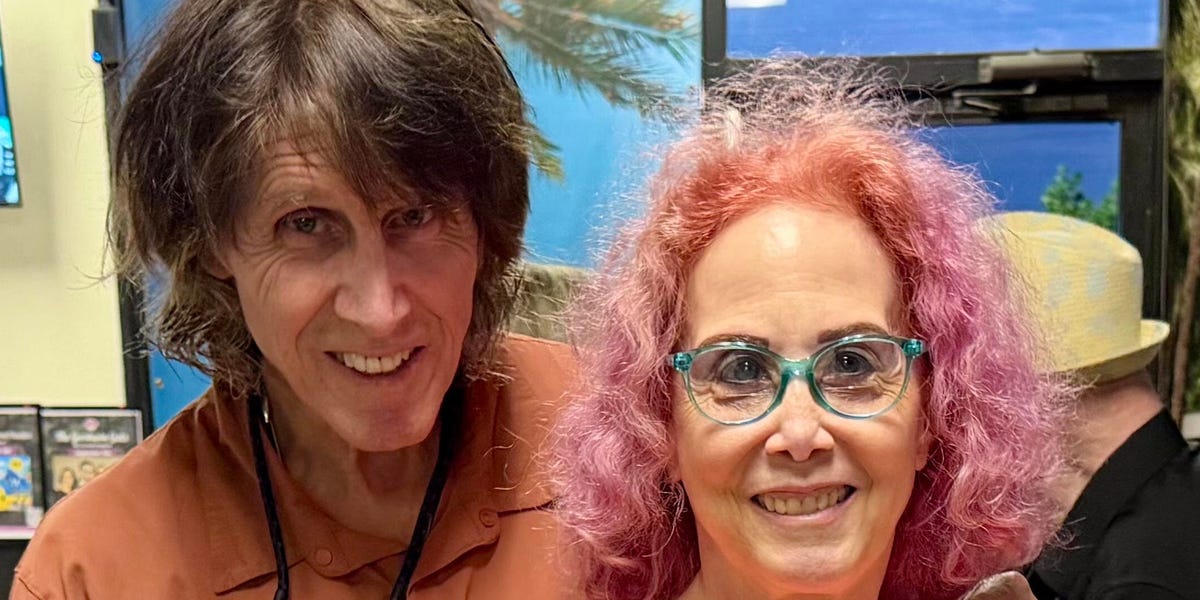
This first‑person essay is based on a conversation with Misty Miller, 67, who left the workforce early, came back because of money worries, and ultimately retired a second time after a shift in perspective. The interview has been edited for clarity.
I’m doing far better than I ever imagined. I feel energetic, content, and mentally sharp, and I no longer have many concerns weighing on me.
I filed my retirement paperwork in 2017 with about $500,000 saved. I had climbed the ranks to become a staff services manager at the California Housing Finance Agency. I believed I could stop working in my late 50s after paying off my mortgage and maxing out my 401(k).
I soon regarded that early retirement as my biggest mistake. I missed having a purpose and I spent too freely. I was terrified that within two or three years I’d run out of money, especially since I might live to 100. Roughly 75% of my medical costs were covered, but I still faced out‑of‑pocket expenses.
I was asset‑rich but cash‑poor, and inflation eroded my income.
When I retired, I moved from a modest downtown home costing roughly $800 a month for all expenses to a $2,600‑a‑month house twice the size on a 17,000‑square‑foot lot in the Sacramento metro area. The larger place is nicer, yet it brings higher heating and cooling bills, and a gardener whose fee rose from $70 to $280 a month.
I asked for my old position back because of the higher costs, but it had already been filled. I took a job at a local newspaper and searched for other work. In 2019 I joined the California Department of Consumer Affairs, then moved to the Secretary of State’s office, becoming a supervisor in February 2023 at age 63.
“People say they have to go to work. I say I get to go to work,” I remarked in 2024. “I plan to never retire.”
Initially, returning to work felt very rewarding. I added about $88,000 to my Roth IRA, improving my financial security. Yet I grew increasingly fatigued; by day’s end I had no energy left and couldn’t pinpoint why. Supervising staff and occasional overtime, plus an unpleasant commute, took a toll.
There were perks: a comfortable office, my own space, and a solid team.
Still, work drained me more than I expected. Doctors found nothing wrong—my blood work, cholesterol, and blood pressure were all normal. I had even stopped taking headache and digestion medication during my break.
In early April I used some accrued leave to test how I’d feel without working. The result was striking: I felt far better and more alive. I decided to retire for good this time. The restless nights and irritability vanished.
Once I stopped working, those problems disappeared. I felt somewhat cheated by the healthcare system because no one had taken the time to explore what was happening with me mentally.
I began reflecting on how each day brought me closer to the end of life.
Over the three‑and‑a‑half years I was employed, my pension grew noticeably—by a few thousand dollars. I qualified for 95% free medical care. I calculated that even with future price increases, my income would cover expenses with money left over each month.
Some workplace changes bothered me, despite glowing performance reviews and a record of punctuality and extra hours. I considered staying another year to boost my pension slightly, but concluded it wasn’t necessary.
On the back of an envelope I listed every expense, added a safety margin of a few hundred dollars, and mapped out the monthly income I’d need. I also decided to delay Social Security to receive a larger benefit later.
I realized I wouldn’t be traveling the world; I’m perfectly content staying put. My stock portfolio has performed exceptionally well, following Warren Buffett’s 90% stocks / 10% cash allocation. I can earn money while sitting in my lounge chair, without dressing up, commuting, or interacting with anyone.
I also trimmed my spending habits. I cut credit‑card purchases—no more impulse buys on Amazon—and limited unnecessary items like extra shoes. Without a daily office commute, I save on dry cleaning and transportation.
I determined that I now have far more money than I need.
I chose not to return to work. I’m much happier. I can go ballroom dancing whenever I like; my husband and I attend jazz shows weekly, and we’ve taken dance lessons together, meeting new friends and reconnecting with acquaintances from my 30s.
My family lives in Los Angeles. My niece has a two‑year‑old daughter and is expecting another girl in October, and I want to be there. Since my father’s passing in 2024, I’ve wanted more family time. I also have two sisters and my mother in LA.
I’ve decided to write a children’s book aimed at the “Nancy Drew” audience. The story is told from a cat’s perspective. The cat lives with her owner in Chicago, who moves from a large suburban house to a tiny apartment—mirroring my own family’s experience. The owner leaves for college in California and can’t bring the cat, which gets evicted, meets other cats, and embarks on a journey to California to find her owner.
I probably still lack enough to cover long‑term care solely from my pension and savings, but my husband and I have agreed we’d prefer to stay in our home, possibly with in‑home assistance if needed. I never purchased long‑term care insurance. I’m hoping to stay active and keep my mind sharp.