

The idea that ‘everything is an ad network’ is becoming more accurate each week. How are marketers reacting to the rapid growth of commerce and retail media networks competing for their budgets?
“It’s quite comical at times,” Rob Edwards, head of media and digital at Arla Foods, told me.
Just last week, McDonald’s and banking giant Citi joined the commerce media scrum. From DoorDash to Dollar Tree, gas pumps to freezer doors, if a company has a website, app, or screen, it likely has a media network in its sights.
With more than 200 retail and commerce media networks worldwide, according to one industry tracker, the space is turning noisy and fragmented for CMOs.
A marketer working with six retail media networks is effectively managing six different playbooks, said Kevin Dunn, chief revenue officer of Experian Marketing Services.
“That makes it hard to plan, compare performance, and scale,” Dunn said.
This month, the ad trade body ISBA and marketing advisory firm MediaSense audited five major UK retail media networks across more than 200 criteria. The study found significant inconsistencies in metrics, including five different definitions of what counts as an “attributed sale.”
“Money exchanges hands at some point,” Clare O’Brien, associate media advisor at ISBA, told me, so it should be easy to agree on the definition of a sale.
The retail media pitch
Commerce media offers companies a high‑margin way to monetize space they already own. Most already have a Rolodex of suppliers they can turn into advertisers. The pitch: first‑party data, valuable placements near the point of purchase, and closed‑loop attribution that shows whether an ad drove a sale.
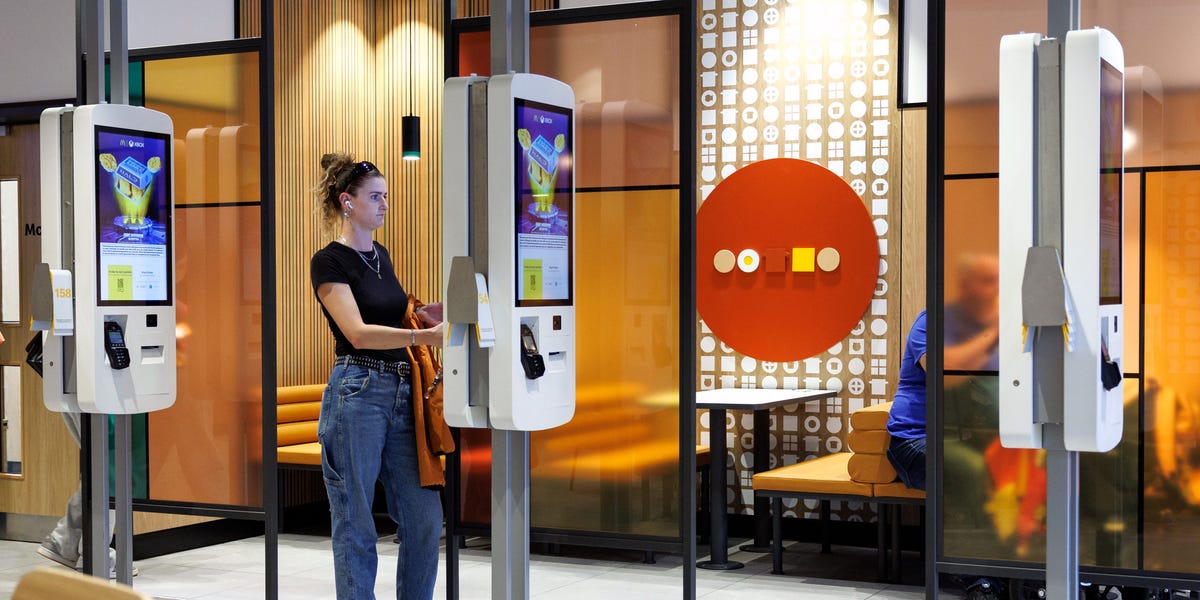
At McDonald’s investor day last week, CMO Morgan Flatley said the company aims to build the McDonald’s Media Network into “a $1 billion business over time,” giving advertisers access to its 70 million daily global customers through its app, kiosks, menu boards, and other in‑restaurant placements.
“It’s an opportunity to generate revenue for the system with little additional cost, no operational complexity, and no disruption to our customer experience,” Flatley said.
On the face of it, that scale is attractive to advertisers. But commerce media’s sudden growth spurt brings several potential headaches for marketers.
Consistent measurement is the top concern.
“There’s a little bit of snake oil,” Arla’s Edwards said, because the data doesn’t always add up.
Closed‑loop measurement systems suffer from the same “grading your own homework” issue that plagued early walled‑garden social media. Did the ad on the McDonald’s kiosk persuade the customer to pick a Coke with their Big Mac, or were they going to buy it anyway?
The retail media rush hasn’t necessarily paid off for the networks themselves yet, either. Of the 200‑plus companies that have launched a retail media network, fewer than 50 are generating enough material revenue to merit a mention in their earnings reports and releases, said Jeanniey Walden, CMO of the commerce adtech company Fluent. Fewer than five of those can show a boost to their company’s earnings, by Walden’s count.
“Walk into any room of retail media network leaders, and they will share their stress locking down advertisers who bring both incremental dollars and customers to the network,” Walden added.
Fragmentation for marketers could also mean ad bombardment for consumers. Remember seeing the same ad over and over on streaming TV? What happens when an advertiser pays repeatedly to reach you across your banking app, Uber ride, and grocery shop? Frequency capping becomes essential, not least because commerce media networks have an incentive to keep adding ad slots to sustain growth.
“You’ve got to be really careful about the experience because you’re going to turn people off,” Edwards said.
With global retail media spending on track to surpass $320 billion by 2030 from about $203 billion this year, per Themoneytimes sister company EMARKETER, O’Brien said it’s time for the sector to introduce a standards body, much like other media have, to live up to its promise for marketers and commerce media operators alike.
The industry isn’t starting from scratch on standards, but adoption is patchy. The IAB in the US and IAB Europe began publishing retail media measurement standards and guidelines in 2024, with that work continuing to expand. Still, IAB Europe’s own research in 2025 found that 53% of ad buyers said a lack of standardization was a barrier to their retail media investment.
“This isn’t one side winning more than the other side,” O’Brien said of the push for standards. “It’s literally about making it easier and more straightforward to invest.”