

For most of her life, Brooke Boyarsky Pratt avoided the doctor’s office. As a child, she was urged to go to “fat camp.” As an adult, she sometimes delayed appointments until she could find her Harvard Business School T-shirt because she noticed she was treated more respectfully when she wore it.
One day in 2020, running late and unable to find the shirt, she began wondering why a simple visit required emotional armor. That led her down a research rabbit hole: patients with obesity often avoid care due to stigma, and when they do seek help, negative interactions can worsen their health.
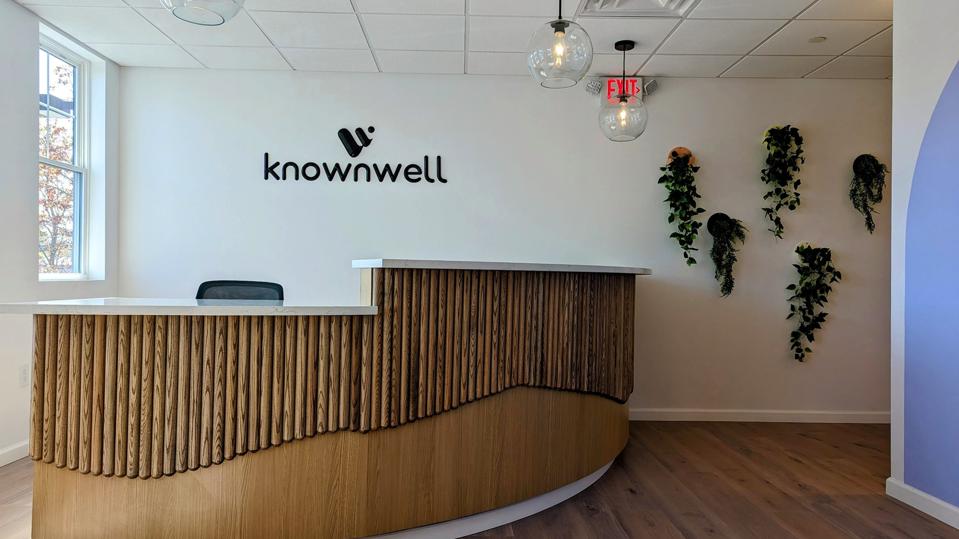
That discovery eventually pushed her to co-found knownwell, the weight-inclusive primary care and metabolic health company launched in 2022. Its rise reflects a market in flux, with GLP-1 demand soaring, inconsistent insurance coverage, possible shifting telemedicine rules, and stigma persisting. Knownwell aims to address these barriers with a hybrid model built for what obesity care requires now.
Building A Weight-Inclusive Primary Care Model
Boyarsky Pratt’s personal history shaped her conviction, but launching Knownwell required confronting a series of obstacles. The first was internal: taking the leap before her co-founder was ready. “I was telling my bosses I was resigning when my co-founder called and said, ‘Don’t quit’,” she recalled with a laugh.
The second was external: entering healthcare without a medical background. She spent nights and weekends learning insurance, coding, clinical workflows, and regulatory nuances. Then came the pace of change in obesity treatment itself. “Every six months, there’s a new existential question,” Pratt explained. She pointed to compounded GLP-1s, shifting payer rules, and evolving clinical guidelines.
Knownwell’s model blends 50-state virtual care with in-person clinics in Massachusetts, Texas, Illinois, and Georgia, with New York and California on the way. Patients can be fully virtual or mix telehealth with in-clinic visits for metabolic testing, vaccinations, pap smears, and preventive care. “Metabolic health touches almost everything,” she noted. “If someone needs their blood pressure medication adjusted during weight loss, we’re not going to tell them to wait months for their PCP.”
The company’s care model resembles primary care but centers on metabolic health. Every patient starts with a one-hour visit, a deep medical history review, and a shared plan addressing sleep, stress, movement, nutrition, and medication. The clinical team includes physicians, nurse practitioners, endocrinologists, dietitians, pharmacists, and health coaches. GLP-1s are prescribed when appropriate, but clinicians rely on a broad set of evidence-based tools rather than relying solely on medication.
“knownwell’s compassionate approach to care is unlike any other experience I’ve had with a doctor,” reflected patient Sue Brady Hartigan. “By offering both in-person and telehealth appointments… I now receive care how I want to, and it’s changed my life.”
Funding Fuels Hybrid Metabolic Health Care
Knownwell recently raised $25 million in an oversubscribed round led by CVS Health Ventures, bringing total funding to more than $50 million. The round included MassMutual Catalyst Fund, Intermountain Ventures, and existing investors a16z Bio + Health and Flare Capital Partners.
“Despite the metabolic health market showing no signs of slowing, patients still face a severe shortage of accessible, high-quality care nationwide. knownwell was built to meet this unmet demand,” observed Vineeta Agarwala, General Partner at Andreessen Horowitz (a16z). “By pairing virtual care with thoughtfully executed in-person care, knownwell is setting the new standard for how metabolic health should be delivered across the U.S.”
Investors are drawn to a model that balances access, clinical rigor, and the realities of insurance coverage—especially in a market where many telehealth-only GLP-1 companies rely on cash-pay prescriptions and limited follow-up.
GLP-1s And The Future Of Obesity Treatment
The rise of GLP-1 weight-loss drugs has ignited unprecedented demand. But GLP-1s also require careful monitoring, gradually adjusting a medication’s dosage to achieve the best possible benefits with the fewest side effects, lab follow-up, and management of related conditions such as diabetes, cardiovascular risk, or hypertension. Knownwell’s multidisciplinary structure is designed for that level of continuity. The company also conducts obesity-focused clinical trials, adding scientific depth to its care model.
Yet access remains uneven. Insurance coverage for GLP-1s varies across Medicare Advantage, Medicaid, and commercial plans. Safety concerns around compounded GLP-1s add further complexity. Providers must navigate not just medication decisions but also payer policies, patient safety, and long-term care. Medicare coverage for telemedicine remains temporarily expanded, with an extension allowing home-based visits in non-rural areas through January 30, 2026.
Boyarsky Pratt views these gaps as opportunities to build something that lasts. “You have to use all the evidence-based pillars,” she emphasized. “Sleep, stress, exercise, diet, and medication. The combination is what sustains weight loss.”
Knownwell’s hybrid model positions the company to weather these shifts. Patients who need ongoing telehealth can maintain continuity, while those who may soon require in-person visits under new rules will have clinics in more markets.
What Comes Next For Obesity Care
Obesity treatment is evolving quickly. GLP-1 medications have transformed expectations, but they cannot replace the need for stigma-free primary care, metabolic monitoring, and evidence-based support. For patients who have spent years avoiding care due to stigma or lack of access, that shift could change more than outcomes—it could change the experience of obesity care itself.