

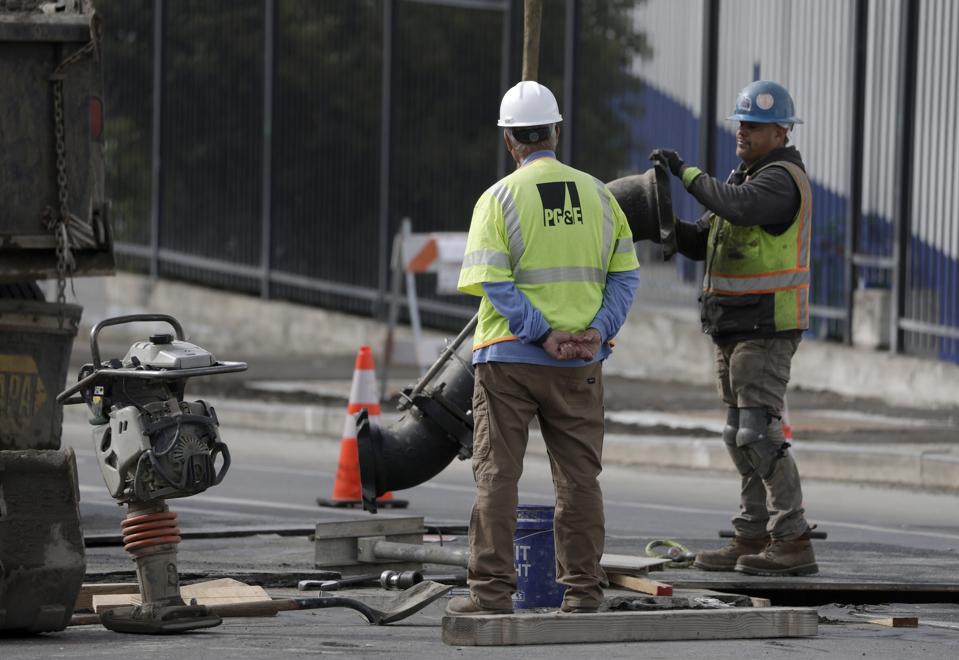
The Occupational Safety and Health Administration (OSHA) has proposed dozens of changes to its rules which, if implemented, would impact companies and their employees in a variety of ways.
The 25 new rules would modernize outdated standards, combine duplicate regulations, and move toward more of performance-based approach to compliance, “Among other things, the changes would limit OSHA’s ability to cite employers for hazards that are deemed to be “inherent and inseparable” from certain high-risk professional activities and remove Covid-19 record keeping reporting requirements for healthcare settings, according to the website of HR Works, which provides outsourced HR services.
Altering The Compliance Landscape
“If finalized, the rules could alter the compliance landscape and trigger more regulations in states with robust occupational safety enforcement,” HR Works pointed out. Other updates to existing federal workplace rules would represent “a deregulatory shift to scale back or withdraw certain long-standing obligations for businesses,” the Institute of WorkComp Professionals, noted on its website.
While employers could see relief from some administrative burdens in the short term, they should also expect transition-related costs. “One significant proposal would narrow OSHA’s use of the General Duty Clause by excluding hazards inherent to the core nature of certain professions. This may result in few citations to employers in high-risk sectors, however, it shifts risk management to contracts, insurance and internal safety programs. The knock-on effect could affect employers with increased workers’ compensation premiums and increased liability exposure,” Lisa A. Cummings, an attorney and executive vice president at Cummings & Cummings Law, explained in an email interview with me.
A Double-Edged Sword
“OSHA’s heat rule would require employers to put in place [a] process for water and rest breaks to ensure employees’ health [are] protected during heat seasons. If the heat rule is finalized, employers will need to adjust staffing and schedules, but should benefit from heat-related injuries and medical claims, while employees will benefit from improved working conditions during the onslaught of heat during summer seasons,” Cummings observed.
There will be benefits and downsides for companies if the proposed rules go into effect.“These changes to OSHA could go two ways. On the plus side, accidents are less likely to happen when safety rules are clear, which cuts down on downtime and hospital costs. Some businesses forget that safety is also good for business. Less harm means more regular operations and more trust between employees and management. Safe practices can help keep employees by making them feel important,” Suhail Patel, director of Dustro, that helps companies follow the rules and make sure workers are safe.
Depending on the size of the companies impacted by the new rules, some businesses would be affected more than others. “Rapid changes in OSHA rules can be very hard on small and medium-sized businesses. They do not always have a lot of money to quickly buy new tools, teach employees, or hire more people to make sure they follow the rules. Not phasing the rollout can make things stressful and even lead companies to cut corners in other areas. That kind of stress can hurt both safety and work output,” Patel explained.
Scaling back regulations that have helped to protect employees could have unintended consequences for them.. “For employees, the biggest risk isn’t just unsafe conditions but what happens after they speak up. Too often, workers who raise safety concerns face retaliation losing hours, being reassigned, or even terminated. Under stronger OSHA standards, those retaliation claims can carry significant weight and give employees powerful protections in court,” Eric Kingsley, a labor and employment attorney with the Kingsley Szamet law firm, told me in an email message.
‘Balance Is The Most Important Thing’
Depending on the resources, if any, that OSHA makes available if the new rules are adopted, companies might not need to spend a lot of money in order to comply with the updated regulations. “Balance is the most important thing. If OSHA’s changes come with help, training materials, and realistic deadlines, businesses can adapt without having to spend a lot of money. Safety at workplaces that do not break the companies that are trying to provide them are the end goal,” Patel concluded.
The lifting of some regulatory burdens on businesses does not mean that the risk associated with dangerous work will disappear, or that companies should stop protecting employees from death and injuries.
“In the absence of regulation many organizations may discontinue their efforts to protect workers from dangerous work and many others may be stretched to find internal resources to fill the gaps. While compliance with regulations does not necessarily eliminate dangerous work, it is a baseline that many organizations rely on. I see both opportunities for [the governance structures of organization] to improve and risk in how this can affect both strategic and operation safety,” Kahlilah Jennings Guyah,CEO and principal consultant at EHS Compliance Services, which conduct compliance audits to help protect workers, told me in an email interview.
Workplace-related dangers, risks, and threats can be crisis triggers for companies and organizations. If OSHA’s proposed rules go into effect, business executives should be vigilant and avoid the complacency that could lead to a crisis in their factories and offices.