

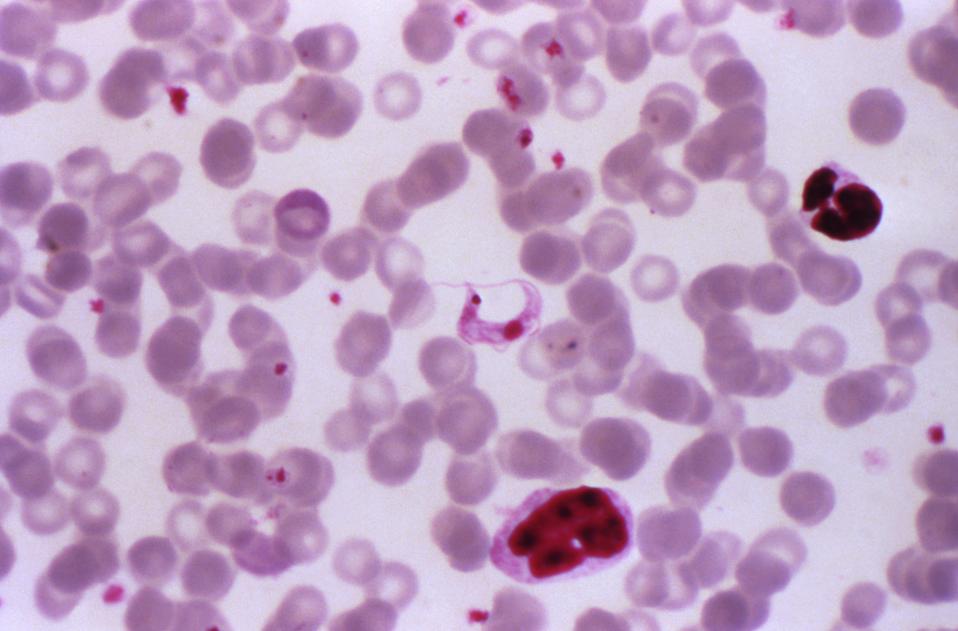
Once considered an illness confined to Central and South America, Chagas disease is increasingly being recognized as an endemic condition within the United States. A recent Centers for Disease Control and Prevention report published in September 2025 has called for official recognition of this infectious disease as endemic to the U.S. Currently, eight states have made Chagas disease a notifiable condition, yet the true prevalence remains unknown due to limited surveillance and testing.
Cause and Transmission
Chagas disease, also known as American trypanosomiasis, is caused by the protozoan parasite Trypanosoma cruzi. The primary mode of transmission occurs through contact with the feces of infected triatomine insects, commonly called “kissing bugs” due to their tendency to bite around the mouth and eyes while people sleep.
When an infected kissing bug feeds on human blood, it defecates near the bite site. The parasite enters the body when people inadvertently rub the contaminated feces into the bite wound, mucous membranes, or breaks in the skin. Beyond vector transmission, the disease can also spread through blood transfusions, organ transplants, mother-to-child transmission during pregnancy or childbirth, and rarely through consumption of contaminated food or beverages. In the United States, blood and organ donors have been screened for Chagas disease since 2006 to prevent transmission through medical procedures.
Studies have demonstrated that the parasite responsible for Chagas disease has established itself in American wildlife, domestic animals, and insect vectors across multiple states. Autochthonous human infections – i.e., transmission occurring locally rather than being imported from another country – have been identified in 8 states, notably Texas. It is estimated that 8 million people globally, including 280,000 in the United States, have the infection.
The Disease, Diagnosis and Treatment
Chagas disease progresses through distinct phases, each presenting unique challenges for diagnosis and treatment. The acute phase, occurring in the first few weeks to months after infection, often produces mild, flu-like symptoms including fever, fatigue, body aches, and headaches. Some patients may develop characteristic swelling around the eye (i.e., Romaña’s sign) or a sore at the infection site. However, many cases remain asymptomatic during this critical early period when treatment is most effective.
Without treatment, the disease typically enters a chronic phase that can remain asymptomatic for years or decades. Eventually, approximately 30% of patients develop serious cardiac complications such as cardiomyopathy, heart rhythm abnormalities, or heart failure.
Diagnosis requires careful clinical assessment combined with laboratory testing. Healthcare providers should evaluate a patient’s symptoms and risk factors, including residence in or travel to endemic areas. During the acute phase of the disease, a blood smear can be examined under the microscope to identify the parasite causing the infection. For chronic cases, diagnosis typically relies on testing for parasite-specific antibodies. Early detection is crucial because treatment effectiveness decreases significantly over time.
Two medications, benznidazole and nifurtimox, serve as the primary treatments for Chagas disease. Both drugs, discovered over 50 years ago, are most effective when administered during the acute phase, with cure rates exceeding 90% in the first year of infection. Treatment during the chronic, asymptomatic phase may prevent or slow disease progression, though effectiveness decreases with time. For congenital cases – i.e., cases identified in a newborn – early treatment within the first year of life offers excellent outcomes, making screening of at-risk pregnant women and newborns essential.
Prevention and Protection
Preventing Chagas disease requires awareness of risk factors and proactive protective measures. Individuals living in or traveling to areas where the kissing bug is known to be present should take precautions, particularly in rural or poor-quality housing situations. Key prevention strategies include sealing cracks and crevices in walls, roofs, and around windows and doors. Using insecticides around the home perimeter and installing screens on windows and doors can reduce bug entry.
When camping or staying in rustic accommodations, sleep under bed nets treated with insecticide and avoid sleeping on the ground, if possible. If you find a kissing bug, do not crush it with your bare hands. Maintain good hygiene practices, including washing hands thoroughly before eating and after handling potentially contaminated materials.
For individuals at higher risk, including those born in or who have lived in endemic areas, screening is recommended regardless of symptoms. Pregnant women from these regions should be tested to prevent mother-to-child transmission. Blood and organ donors continue to be screened, but individuals with known risk factors should inform healthcare providers before donating.
As Chagas disease establishes itself as an endemic condition in the United States, increased awareness among both the public and healthcare providers becomes crucial. Early recognition, proper diagnosis, and timely treatment can prevent the devastating long-term consequences of this once-neglected tropical disease that now poses a growing threat to American public health.