

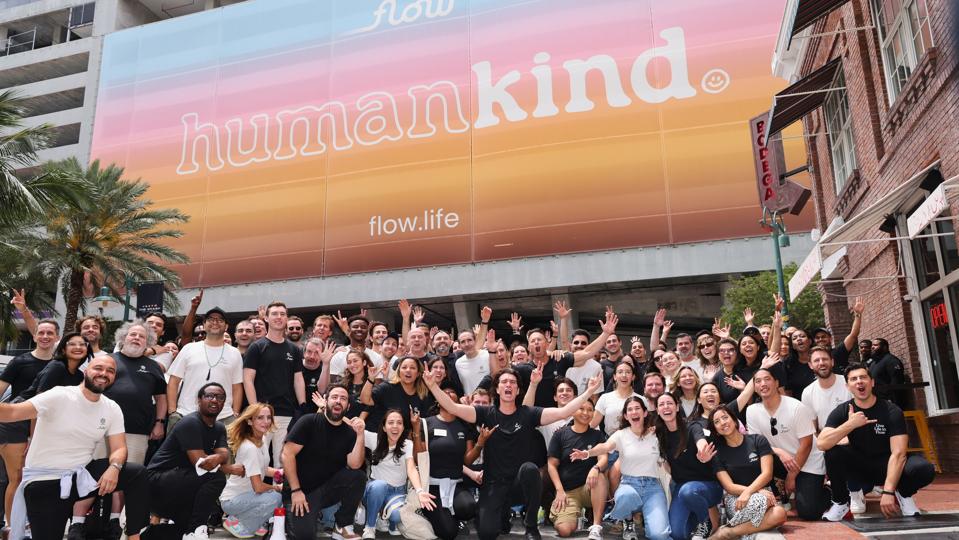
The boundaries between hospitality and residential real estate are dissolving at a rapid pace, with both sectors borrowing from each other to meet the evolving demands of today’s renters, buyers and extended stay travelers like nomads. The recent $100M+ funding round for Adam Neumann’s Flow is just the latest signal of a broader transformation: hospitality brands are launching or expanding residential arms, while residential developers are integrating all-inclusive, hotel-style amenities and services into their properties
Furnished apartments, yoga rooms, cafes, bars and gyms are part of the amenities you may expect in the new community-fused properties. This style takes inspiration from the more established business model from European rentals apartments, where they provide furnished accommodations.
Yet, it’s not just borrowing ideas from other regions, Della Terra a real estate consultancy firm reports that one of the fastest-growing segments, with major brands expanding apartment-style and extended-stay offerings to meet demand for upscale, flexible living. Here are key trends bringing the residential real estate and hospitality sectors closer together.
The Convergence of Hospitality and Residential Living
A New Standard of Amenities
Similar to resorts, new residential properties are making a bet on providing convenience to residents.This is not a new concept in residential living, historically communities catered for retirees include restaurants, activities, gym, and other amenities as part of their property complex. Now hospitality and residential real estate sectors are ensuring that all residents have access to amenities, particularly those looking for luxurious residential experiences.
For instance, The Waldorf Astoria Residences shared that their New York location provides over 50,000 square feet of private amenities, including a 25-meter pool, state-fitness center, spa facilities, private dining rooms, lounges, a gaming room, and a theater-all designed to extend the living space beyond individual units. Residents also enjoy access to the adjacent Waldorf Astoria hotel’s which includes a signature restaurant, spa and round-the-clock concierge and room service. The Waldorf Astoria is also continuing to expand its residential properties across the globe to Miami, Antigua, and Dubai. Similarly, apartment-hotels businesses with furnished apartments like Unity Living, Flow Residences, Locke Living operate properties across multiple regions providing full amenities, including coworking spaces and communal areas, to all residents.
Technology as the Glue
One of the challenges of the residential real estate sector is the fragmentation of services. Payments, maintenance, mailroom operations, community events, are presented as disconnected websites or apps for residents to access. This seamless digital experience is fast becoming an expectation, not a luxury.
Many aparthotel and serviced apartment operators have adopted integrated apps that allow guests to manage everything from check-in to payments and maintenance requests, streamlining the entire resident experience.
In contrast, established multifamily buildings, many of which were not designed as digital-first properties, are increasingly turning to technology providers such as Livly, Elevated Living, Zego Payments, and others. These businesses enable features like digital key access, package management, maintenance requests, rent payments and community updates through a single interface. The integration of solutions not only centralizes operations for staff but also creates the seamless, connected experience that today’s residents expect.
Community-Focused Living
Whether it’s an expat community in an urban center or a group of newcomers using their new residence as a launchpad into city life, new developments are adapting to a generation of renters who prioritize connection and community.
New residential models emphasize community, offering curated events such as yoga classes, painting sessions and farmers markets to foster interaction among residents and with the surrounding neighborhood. The rise of remote work increased demand for spaces that provide both comfort and social connection. Flow, for instance, centers its business model on community-driven living, aiming to address urban isolation by creating spaces and event programming that encourage belonging and collaboration.
Why The Shift?
Several forces are driving this convergence:
- Remote Work: The work-from-home trend has reshaped expectations for both living and travel, with residents seeking flexible spaces that support both productivity and relaxation.
- Wellness and Sustainability: Demand for wellness amenities and sustainable, energy-efficient buildings is surging, with LEED certifications and health-focused features now a competitive edge.
- Experience Economy: Guests and residents alike, particularly in the millennial and GenZ demographics, opt to seek meaningful, tailored experiences-prompting properties to focus on design, local culture, and curated programming.
A New Normal In Real Estate
The convergence of hospitality and residential real estate is changing how we live, work, and travel. Whether it’s luxury condos with hotel privileges, apartment-hotels for extended stays, or community-driven rental residences, the industry is responding to a new era where convenience, community, and experience are non-negotiable. For real estate leaders, adapting means embracing technology, prioritizing wellness and sustainability, and designing spaces that foster genuine connection-because in 2025, a new residence is so much more than four walls.