

It might sound counterintuitive to say that deadlines cost more than missing them, but the reality is there is a hidden danger in treating deadlines as sacred. There is an opportunity cost of finishing on time without asking enough questions. When leaders push projects forward no matter what, they often silence curiosity, discourage people from raising concerns, and miss the chance to slow down in ways that could prevent disaster. There are endless examples about what happens when deadlines matter more than building a culture that rewards curiosity. From airlines to oil rigs to banks, the culture that puts speed over safety or performance, could find the cost of silence becomes far greater than the cost of delay.
What Happens When Deadlines Become More Important Than Safety
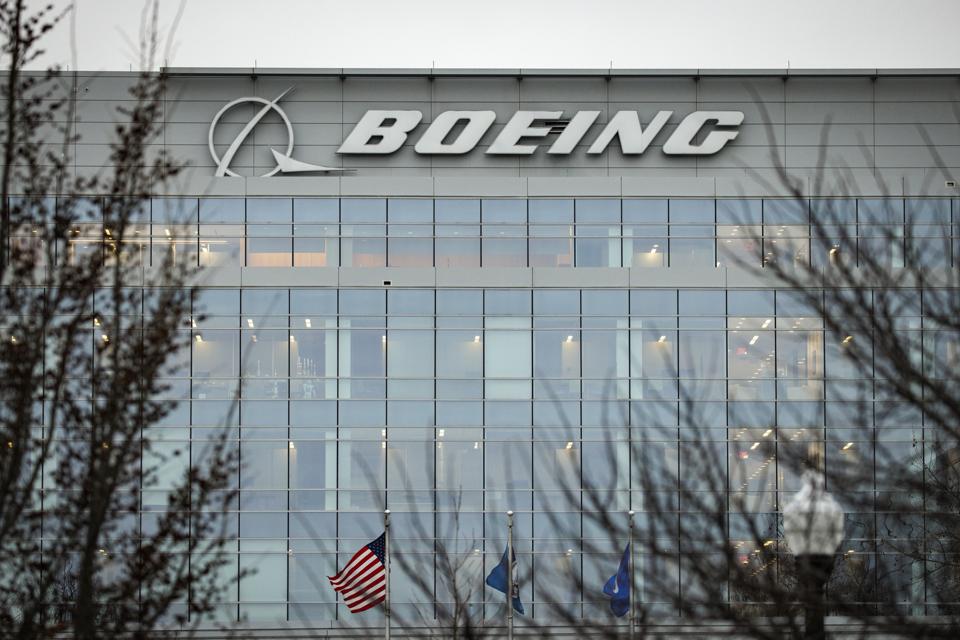
Boeing’s race to compete with Airbus in the single-aisle jet market created immense pressure. The 737 MAX was certified quickly to avoid losing orders. Engineers warned that the flight system could cause dangerous problems, but in a culture where questioning schedules wasn’t rewarded, those concerns didn’t stop the rollout. The result was devastating. Two crashes, hundreds of lives lost, and a worldwide grounding of the fleet for almost two years. Boeing spent more than $20 billion in settlements, redesigns, and lost orders, not counting the blow to its reputation. The opportunity cost was enormous. A pause to address the concerns up front would have delayed delivery but saved billions and preserved trust. A culture that welcomed curiosity could have changed everything.
How Ignoring Safety Deadlines Cost BP Billions
The Deepwater Horizon oil spill is often described as an environmental catastrophe, but at its core it was also a project management failure. The rig was already behind schedule, and each extra day cost millions. Leaders decided to push forward with drilling despite warning signs about the cementing process and pressure tests. Workers on the platform raised concerns, but speed mattered more. The blowout led to one of the worst oil spills in history, with more than $60 billion in costs for BP. The money lost could have funded decades of exploration and innovation if the company had valued safety over deadlines. If employees had felt free to slow down and insist on fixing the problems, BP could have avoided both the disaster and the financial fallout.
Why Pressure To Meet Deadlines Drove Volkswagen Into Scandal
Volkswagen’s emissions scandal was born from an impossible deadline. Engineers knew the cars could not meet emissions standards in the time frame leadership demanded, yet admitting that truth was seen as career-ending. Instead of challenging leadership, software was created to cheat emissions tests. It was a shortcut to meet the schedule, but one that unraveled into billions in fines, buybacks, and lawsuits. More than $30 billion were lost. VW could have used that money to lead the electric car market years earlier. A culture that rewarded transparency and curiosity about new solutions would have put them ahead of the competition instead of making them an example of corporate dishonesty.
How Rushed Deadlines Turned Samsung’s Phones Into A Recall
Samsung wanted to beat Apple’s iPhone release, and the Galaxy Note 7 shipped quickly with little margin for error. Reports of overheating and fires surfaced almost immediately, yet the first recall didn’t solve the problem. Replacement phones also caught fire because the root cause hadn’t been fully explored. By then, the brand damage was irreversible. Billions were lost in recalls and lost sales, with some estimates as high as $17 billion. The rush to launch meant missing the chance to carefully test, fix the flaws, and maintain trust. If curiosity had been encouraged rather than speed, Samsung could have kept its product strong instead of pulling it off shelves worldwide.
What Meeting The Deadlines Cost In High-Speed Rail Projects
Britain’s high-speed rail program, HS2, is one of the most expensive infrastructure projects in the country’s history. Costs ballooned from about £30 billion to more than £80 billion. A whistleblower raised alarms about unrealistic budgets and forecasts, but management dismissed the warnings to keep the project moving. Had they paused to incorporate those concerns, the overruns might have been contained. Instead, the attempt to stay on schedule created even bigger delays. The opportunity cost is measured not only in money but in credibility. Billions that could have gone into finished rail lines are now sunk into wasted planning and adjustments. A culture that respected curiosity and listened to internal voices could have redirected resources in time to protect the project.
Why Deadlines At Berlin Airport Led To Billions In Rework
Berlin Brandenburg Airport became a global punchline when its opening date slipped nearly a decade. The first target was 2011, but fire safety systems and technical failures forced delay after delay. The cost doubled from an estimated €2.8 billion to more than €6.5 billion. Ironically, the rush to meet early deadlines caused the later ones to be missed by years. By ignoring concerns about system integration and pushing forward anyway, leaders made the project far more expensive. If the culture had supported slowing down to address concerns earlier, the project could have been completed on a smaller budget and with far less embarrassment.
How Lockheed’s Strategy For Meeting Deadlines For The F-35 Backfired
The F-35 Joint Strike Fighter program tried to save time with a strategy called concurrency, where production overlapped with testing. Planes were built while problems were still being found, which meant that hundreds of aircraft needed retrofits. The cost ballooned into the hundreds of billions. What looked like a way to speed up became one of the most expensive military projects ever. Lockheed could have invested those resources into innovation or other programs. A culture that encouraged questioning whether concurrency was wise might have slowed the program initially but saved enormous money over its lifetime.
Why Sydney Opera House Deadlines Created Iconic Overruns
The Sydney Opera House is one of the world’s most recognized buildings, but its story is also a reminder of how deadlines can backfire. Originally budgeted at about A$7 million with a 1963 completion date, it wasn’t finished until 1973 and cost more than A$100 million. Scope changes and rushed decisions led to redesigns and rework. While the building is now celebrated, the opportunity cost was huge for taxpayers. If leaders had embraced more curiosity about design changes, engineering challenges, and long-term planning, the project could have balanced beauty with efficiency instead of becoming a costly example of missed opportunities.
How Missing Deadlines Can Save Money And Reputation
Consider that missing a deadline does not have to be seen as a failure. Some companies have shown that delaying to fix problems or rethink a launch can save money, protect reputation, and build trust. Apple announced its AirPower charging mat in 2017 but canceled it after delays revealed overheating issues. While embarrassing, the pause and cancellation likely saved Apple from massive recalls and lawsuits. Toyota delayed the launch of certain models to double-check quality after earlier crises, protecting its reputation and sales. Johnson & Johnson pulled Tylenol off shelves in 1982, delaying sales until tamper-proof packaging was created. That pause is still considered one of the best business decisions in history because it preserved public trust. Even SpaceX regularly delays rocket launches when engineers raise concerns, understanding that the cost of a scrubbed launch is far less than the cost of a failure. Encouraging curiosity, questioning, and the courage to delay are not signs of weakness but signs of strength.
The Opportunity Cost Of Silence To Meet Deadlines
Deadlines will always be part of doing business, but meeting them isn’t always the best decision. The opportunity cost of silence can be far greater than the inconvenience of delay. Leaders who encourage a culture of curiosity and make it safe to question assumptions avoid the trap of believing that speed and meeting deadlines is most important at all costs. Pausing to ask, “What are we missing?” might feel uncomfortable at the time, but it can save money, protect reputations, and deliver stronger outcomes in the long run.