

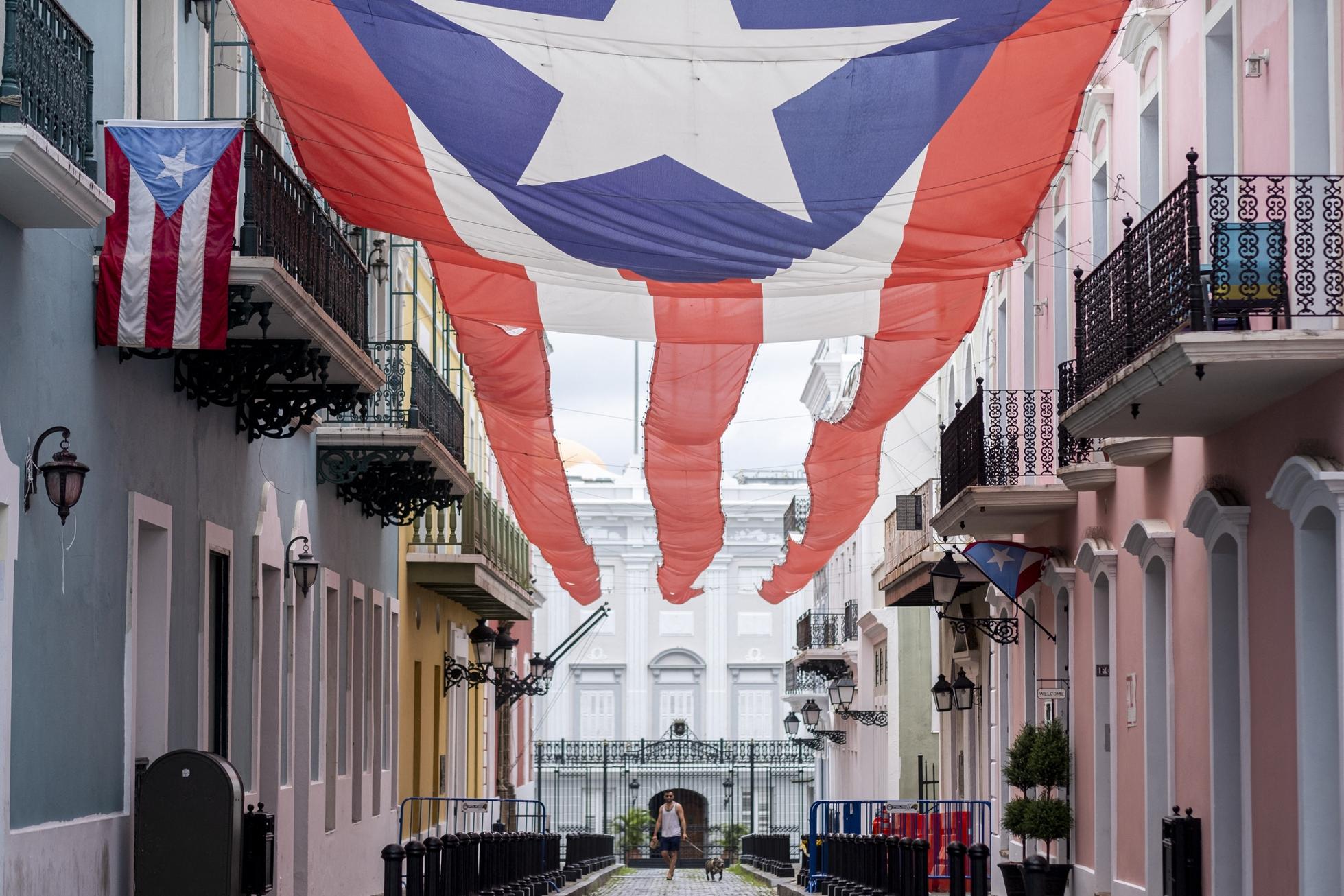
For decades Puerto Rico was one of the world’s premier pharmaceutical manufacturing hubs. A combination of skilled labor, U.S. legal protections and, most particularly, a special provision of the U.S. tax code (section 936) allowed American corporations operating there to avoid federal taxes on profits earned on the island. This attracted major companies, which fueled jobs, innovation and prosperity. At its peak, Puerto Rico produced a significant share of America’s most essential medicines. Then Washington, in a fit of short-sightedness, phased out section 936. The result? Factories closed, jobs vanished and Puerto Rico’s economy suffered. The U.S., meanwhile, became dangerously dependent on overseas supply chains, many centered in China.
It’s time to reverse that mistake. Congress should restore the kind of incentives that once made Puerto Rico a pharmaceutical powerhouse. By doing so, we can simultaneously boost U.S. economic security, create high-paying jobs and give Puerto Rico the tools to rebuild its economy from the inside out.
This is not about subsidies or government micromanagement. It’s about using smart, pro-growth tax policy to unleash private investment. Carrots, not sticks. For too long, U.S. policy has leaned on tariffs, mandates and heavy-handed regulation to push American companies back home. That approach rarely works. Companies flee high costs and uncertainty. But when you lower barriers and let entrepreneurs do what they do best—invest, hire and innovate—the results speak for themselves.
Puerto Rico’s advantages are clear. The island offers a bilingual and educated workforce, proximity to mainland markets and the stability of operating under U.S. law. Restoring tax incentives would motivate pharmaceutical companies to build and expand plants on the island. Every new factory would mean hundreds of high-skilled jobs, each supporting many more in services, logistics and construction. The ripple effect would be transformational.
Equally important, revitalizing Puerto Rico’s pharmaceutical sector would strengthen our strategic resilience. The pandemic exposed our dangerous dependence on foreign suppliers for critical drugs and medical supplies. Washington has since talked endlessly about “reshoring” production, but progress has been slow. Incentivizing Puerto Rico would be the fastest, most cost-effective way to bring manufacturing back within U.S. borders. It would ensure quality, safeguard supply chains and reduce our vulnerability to geopolitical shocks.
The economic benefits for Puerto Rico would go far beyond direct jobs. A revived pharmaceutical base would spur investment in infrastructure—everything from reliable power to modern ports. It would expand the island’s tax base, enabling better schools, healthcare and public services. It would also stem the outmigration of young Puerto Ricans to the mainland by offering them real opportunities at home.
Some critics will say this is just “corporate welfare.” Nonsense. Pro-growth tax policy is not about picking winners and losers; it’s about creating conditions in which everyone wins. When companies invest, workers earn more, local communities thrive and government revenues rise. The alternative—punishing companies with tariffs or relying on foreign imports—is, in the long run, far more costly.
Puerto Rico can once again be a global leader in pharmaceutical manufacturing. Washington should act quickly.
The lesson is simple: Carrots work; sticks don’t. Let’s bring back the policies that made Puerto Rico a shining success story—for the island, for America’s patients and for our nation’s economic security.