

In the wake of pandemic disruption, cultural polarization, and growing concerns about traditional schooling, a quiet revolution is reshaping American education—one kitchen table at a time.
Today, more than four million children in the U.S. are homeschooled, a staggering leap from pre-pandemic levels. Once considered a fringe choice, homeschooling now accounts for a rapidly growing percentage of all K-12 students, with growth rates outpacing even the most optimistic projections. And it’s not just a temporary pivot. It’s a structural shift.
Parents are leaving public schools not just because of what’s broken, but because of what’s possible.
Sure, safety and environment concerns are motivators. And many families are frustrated by rigid curricula and overcrowded classrooms. But the deeper story is about agency. Parents want the freedom to tailor education to their children’s pace, passions, values, and individual learning styles.
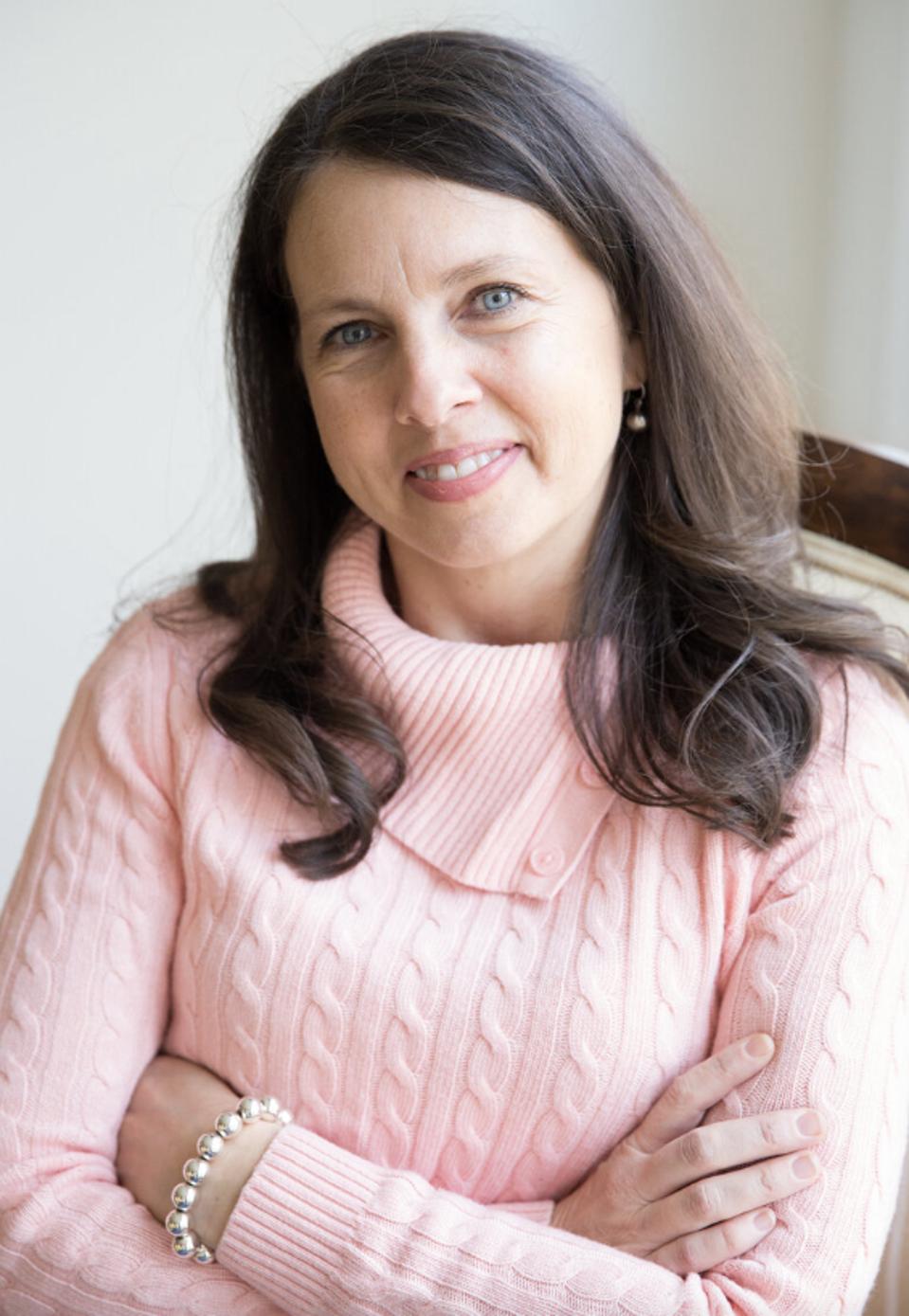
Rachel Sanford gets it. This seasoned homeschooling mom with an MBA degree has used her entrepreneurial skills to create a user-friendly course called Mastering Homeschool. Her flagship offering isn’t about promoting homeschooling or selling curriculum. It’s an operational framework—vision-setting and streamlined processes designed to guide parents as they prepare their homeschool. Parents come away feeling confident they can produce the outcomes they want for their children.
What caused this mother of four to question traditional education and commit to homeschooling? “In my experience, parents choose to homeschool either because they’re running from or to something,” Sanford says. “They might run from social agendas, political pressures in the classroom, unwelcome overreach into their parenting, or unsafe school environments.”
On the flip side, she says, parents might run to things like deep family connections, emotional and spiritual peace, flexible schedules, rich childhoods, curriculum freedom, and a customized learning experience. For her family it was very much the latter.
A bonus for Sanford was watching the “ah-ha” moments on her children’s faces when they understood new concepts or gained new skills.
She describes her approach as a personalized framework rather than a “school at home,” and explains what shapes that distinction.
Strategic Scaffolding for Academic Decisions
“Mastering Homeschool guides parents through creating the strategic scaffolding onto which all other academic decisions are made,” she says. “Once that scaffolding is in place, all the tactical decisions flow naturally. And because homeschooling is far more than ‘school at home,’ that strategy also shapes family life, relationships, and long-term growth.”
Strong academics are immensely important, she believes, but not more than happy family relationships, spiritual, emotional, and physical health, strong social skills, effective problem solving and critical thinking skills. “My core belief is that no family should have to choose academics over everything else,” Sanford says.
How has her own educational background influenced the way she designed learning experiences for her children and now does so for her clients?
“As a child, I attended excellent schools, both public and private,” she says. “As an adult, I attended a top-tier university for undergraduate and graduate studies. All along the way, I had teachers and parents who cared, who taught in creative and engaging ways, who instilled curiosity and enthusiasm that has lasted a lifetime, and who encouraged me to push my limits and to believe in myself.”
Learning, Sanford says, is a lifestyle. As a homeschool parent, she ensured that schedule design, curriculum choices, enrichment selections, and day-to-day interactions were all carefully curated to provide the same love for learning that was instilled in her.
Homeschooling isn’t complicated, she emphasizes. But doing it well, with the lasting impact parents dream of, does require purpose, vision, strategy, careful thought, and a whole lot of heart.
Customizing Your Homeschool from the Ground Up
What is different about the Mastering Homeschool approach and why does it work?
“Homeschool coaches and mentors typically focus their attention on the solutions to the problems that often come up in homeschool,” Sanford says. “That’s great. That’s important. But here’s what I know to be true: Fewer problems arise to begin with when the homeschool is designed intentionally from the ground up. And the problems that do arise have built-in solutions. There are fewer emergencies (if any), and the bumps in the road are more like pebbles than potholes.”
The pillars of Sanford’s model are simple yet powerful: Envision, Design, Plan, and Prepare. It’s a business-based model you’ll see in most successful organizations, and it works just as well in a homeschool setting. Following the model, parents carefully envision how they want their family life to feel, what they hope to accomplish, and the values that will guide their choices. It’s the “why” that will inform every “how.”
Next, they apply these ideas to create a homeschool design—curating the resources, routines, and rhythms that bring their vision to life. Planning puts all the previous work into a roadmap for the school year and beyond, helping families stay on track when inevitable distractions or challenges arise. Finally, families take the step of preparing themselves and their environment together.
“Because it’s a framework and not a prescription, the model works for any family,” Sanford says. “Each family applying the framework will have a different end result, and that’s by design. Every child is unique and every family is unique, so every design should be unique. The framework is simple in principle but transformative in practice.”
Shifting to Values-Driven Learning
How does Sanford help parents shift from a curriculum mindset to a values-driven learning ecosystem?
“If you start selecting curriculum by Googling ‘homeschool curriculum’ or browsing a local store, you’ll find an abundance of wonderful options—for someone,” Sanford says. “But how do you choose? By graphic design, format, grade level, or a neighbor’s recommendation? That’s a fast track to overwhelm, a broken budget, and frustration. Parents should first understand what they’re trying to teach, how their students learn best, and how learning fits into their family structure. Homeschooling without curriculum is tricky, but curriculum should never be in the driver’s seat.”
What inspired Sanford to turn her personal homeschooling philosophy into a business?
“I genuinely want to make the world a better place,” Sanford says. “I deeply believe in homeschool, and I know it has the potential to create childhoods that are ennobling, meaningful, and sweet. I also believe every child deserves to learn in an environment that is encouraging and filled with light. Today, homeschooling is becoming more common. Parents are looking for ways to insulate their children from the world to some degree, they’re realizing that traditional school isn’t the only way, and they’re seeking help to do it well.”
Sanford sees patterns in families drawn to her work. “They are typically well-educated themselves, understand the power of education, and want to set their children up for lifelong success and growth,” she says. “They’re willing to sacrifice now to make that happen. They’re motivated by quality education, meaningful experiences, happy relationships, social engagement, values-driven growth, and critical thinking, and they’re also resourceful, solutions-oriented, long-term focused, and intentional.”
If Sanford could change one public perception about homeschooling, what would it be and how does her work challenge that narrative?
“COVID did a lot to change the public perception of homeschooling in terms of outcomes, social skills, and confidence,” she says. “But if I could shift one more mindset, it would be this: Homeschooling isn’t just an alternative to traditional school—it can be a powerful force for raising capable, confident adults. When parents take an active role in learning, when education is woven into daily life, and when children have the freedom to explore the world in meaningful ways, the results go far beyond academics. Homeschooling cultivates resilience, creativity, and purpose in ways that prepare young people to contribute at the highest levels.”
To discover a simple, tried-and-true approach to creating a homeschool that works for you and your family, check out Sanford’s free class.