

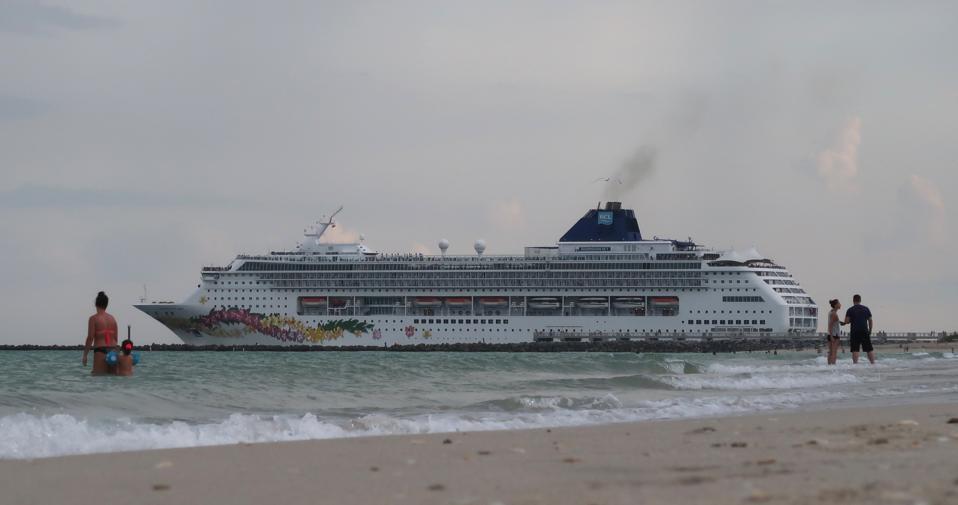
Cruise lines are finding a new way to attract new customers, optimize their fleets and, they hope, boost profits by transforming ships into permanent residential vessels.
Norwegian Cruise Line Holdings has recently executed a significant shift in its fleet management strategy in all three of its cruise brands: Norwegian, Regent Seven Seas, and Oceania, according to Cruise Industry News. After previously indicating to Wall Street in February that there weren’t imminent plans for ship sales and suggesting a 35-year service life for its vessels, the company abruptly changed course in March and April.
The rapid transformation began on March 21 when Regent Seven Seas Navigator was sold to Crescent Seas. Just two weeks later, on April 3, the same startup acquired Oceania Insignia.
The fleet reduction continued when Norwegian Sky and Sun were chartered to Cordelia Cruises, a cruise line based in Mumbai, four days later. These will remain conventional cruise ships.
The Business Strategy Behind the Moves
“These agreements are a clear reflection of our disciplined long term approach to fleet optimization,” explained Harry Sommer, president and CEO of Norwegian Cruise Line Holdings, during the company’s first quarter earnings call on April 30. “By transitioning these ships into markets outside our core business with established operators in their respective areas, we’re able to unlock value from these assets while remaining focused on delivering a consistent, high quality experience across the remainder of each fleet in our three brands.”
But what’s really happening behind this corporate speak? The cruise industry has been exploring new business models, and permanent residences at sea represent an intriguing growth opportunity.
Younger Cruise Ships, Higher Prices
The moves create a younger overall fleet profile. Before these transactions, Norwegian Cruise Line would have had an average fleet age of 15 years by 2030, with both Oceania and Regent averaging 14 years. The redeployed ships are among the oldest ships for the three brands.
Newer ships are more in demand and generally command higher cruise prices due to their more modern amenities and attractions.
Softer Demand Creates Choppiness
In the post-pandemic years, cruise demand boomed. Lines raised prices as ships became fully booked for months into the future. But NCL recently missed its projected earnings, noting “choppiness” in U.S. bookings on European cruises in the last couple of months.
Sommer still made the point that times of economic turmoil can actually shift vacationers to cruising because of its value proposition compared to other types of vacation.
If demand for cruising continues to soften, reducing the fleet size will help maintain occupancy levels.
The Rise of Residential Cruise Ships
The concept of living aboard a cruise ship permanently isn’t new, but it’s gaining momentum. For cruise companies, selling older ships to residential operators makes financial sense. This reduces maintenance costs on aging vessels and free up capital for newer ships that can command higher cruise prices.
For consumers with the means and desire for a nomadic lifestyle, these floating residences can offer an appealing alternative to traditional retirement or second-home ownership. Residents get to travel the world without constantly packing and unpacking, maintain social connections with fellow seafarers, and enjoy the amenities and services of luxury cruise living.
To date, residential cruise ships haven’t always provided smooth sailing for purchasers. Delays have stranded residents in departure ports. One line, Storylines, in 2022 announced its MS Narrative would sail in 2024. It’s now scheduled for 2027. Despite many announcements, there are only two residential cruise ships actually sailing today.
With the cost of a residence easily hitting a million dollars or more, a potential purchaser might approach investing in a future launch with some trepidation.
Crescent Seas Combines Strengths
Russell W. Galbut is Founder and Chairman of Crescent Seas and also Co-Founder & Managing Principal of Crescent Heights, a Miami-based urban development firm with a thirty-year track record. The ships will be managed and staffed by NCL and The Apollo Group, a firm with decades of experience in luxury cruising.
The credibility and experience of the players in this new venture will likely give potential residents confidence in the security of their investment.
The Crescent Seas Navigator is scheduled to begin cruising December, 2026, with residences costing from $750,000 to $8 million. A total of five ships are planned.
A Lesson From NCL’s Cruise Ship Pivot
A few months ago, NCL said it would keep its oldest ships sailing years into the future. Then, as the cruise market showed signs of possible weakness, it changed course. Two of the ships, the Norwegian Sky and Norwegian Sun, will be chartered to a company that isn’t directly competitive with NCL’s brands.
The Regent Navigator and Oceania Insignia will become part of a potentially high growth company in the nascent residential cruising space. The terms of the deal weren’t disclosed, but it appears NCL will have some type of ongoing participation in the venture.
This is bold deal-making. If cruise interest sinks, NCL won’t miss these older vessels. If the market resumes its growth, newer ships are coming online in the next couple of years for all three NCL brands. The end result will be younger, more attractive fleet.
This is a great example of finding new markets for existing products – something every CMO should appreciate.
The Future of Cruise Ships
This shift suggests we may be seeing the emergence of two distinct cruise segments: traditional vacation cruises on newer vessels, and residential cruises on repurposed older ships. Both models serve different customer needs and allow cruise companies to optimize their fleets for profitability.
I find the high-powered backing for the new Crescent Seas fleet and its five-ship plan particularly interesting. The serious players in that venture could well de-risk and legitimize the still-nascent residential cruise concept. If their first two ships sail on schedule and sell most of their condos, look for other major cruise players to repurpose their older vessels for that market.